

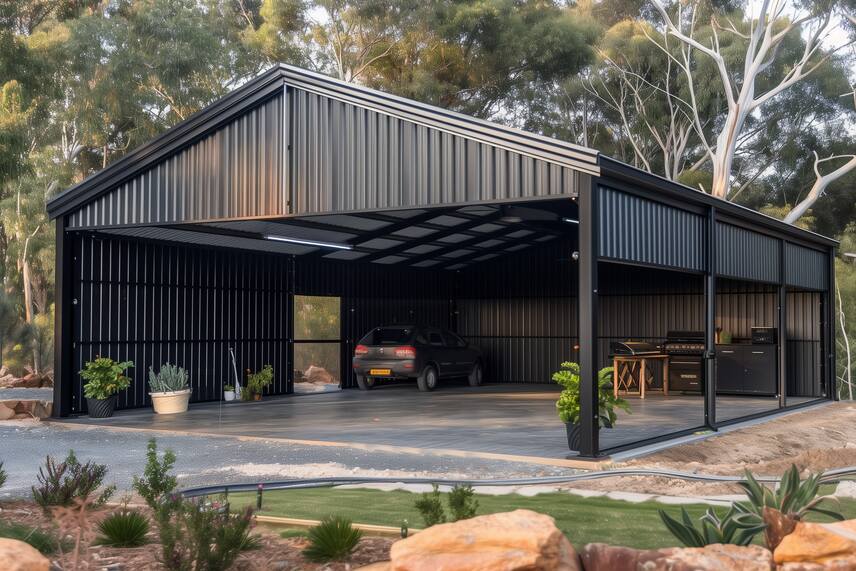
A well-designed shed can provide far more than extra storage. For Perth homeowners, farmers and business owners, the right structure can create valuable space for vehicles, equipment, tools, stock, workshops and a wide range of practical activities. With Perth’s distinctive climate and diverse mix of residential, rural and commercial properties, shed designs need to balance functionality, durability, accessibility and appearance.
The ideal shed depends heavily on how the space will be used. A compact garden structure may be perfectly suitable for a suburban home, while a rural property might require a large machinery shed with generous vehicle access. Businesses, meanwhile, may need secure storage, workshop areas or buildings capable of accommodating commercial equipment.
Understanding the most popular design approaches can make it easier to identify the structure that fits your property and requirements.
Why Shed Design Matters in Perth
Perth properties experience hot, dry summers alongside seasonal rainfall, making weather protection an important consideration when planning an outdoor structure. Materials, ventilation, roofing and orientation can all influence the building’s performance.
A shed should also work naturally with its surroundings. The position of the building, access routes and available land can affect how convenient it is to use.
Good design starts with purpose. Before choosing a particular style, consider what the shed needs to accommodate now and what you may need it to accommodate in the future.
1. Residential Garden Sheds
Garden sheds remain one of the most practical choices for Perth homeowners who need additional storage without sacrificing substantial amounts of outdoor space.
These compact structures can be used for:
- Gardening tools and lawn equipment
- Bicycles and sporting goods
- Outdoor furniture and seasonal items
- Pool maintenance equipment
- Household storage
Garden sheds can be positioned toward the rear or side of a property, depending on available space and applicable requirements.
Their relatively compact footprint makes them suitable for many suburban properties. Shelving, hooks and cabinets can further improve their usefulness by making the most of vertical space.
For homeowners concerned about appearance, a shed can be selected to complement the house and garden rather than looking like a separate afterthought.
2. Workshop Sheds
For homeowners who enjoy DIY projects, woodworking, mechanical work or other hands-on activities, a workshop shed can provide a dedicated environment away from the main house.
Workshop designs generally require more floor space and better lighting than basic storage sheds. Workbenches, tool cabinets, machinery and material storage all need to be incorporated into the layout.
Ventilation is particularly important if paints, finishes or machinery are regularly used.
A workshop shed can also help keep noise, dust and equipment away from the main living areas. Instead of repeatedly setting up and packing away tools, everything can remain organised and ready for the next project.
3. Garage-Style Sheds
Garage-style sheds are popular where homeowners need protected space for vehicles but do not have enough room in an existing garage.
These structures can accommodate cars, motorcycles, trailers and recreational equipment while also providing additional storage.
The main consideration is access. Door width and height should be sufficient for the vehicles and equipment that will enter the building, with adequate clearance for comfortable movement.
Garage-style sheds can also incorporate shelving, workbenches and dedicated storage zones, allowing the building to serve several purposes rather than functioning solely as a vehicle shelter.
4. Farm and Machinery Sheds
Rural properties around Perth and throughout Western Australia often require considerably larger structures for agricultural machinery and equipment.
Farm sheds can provide shelter for tractors, trailers, implements, harvesting equipment and maintenance tools.
Their design is generally centred around generous access and durability. Large doors, strong structural systems and suitable flooring are essential when heavy machinery will regularly enter and leave the building.
Internal organisation can also make a significant difference. Machinery bays, equipment storage and workshop areas can be separated to create a more efficient working environment.
5. Open-Front Sheds
An open-front shed provides a balance between shelter and accessibility.
Instead of enclosing all four sides, the structure leaves one side open or substantially open, making it easy to drive machinery or vehicles directly inside. This design can be particularly useful for storing trailers, boats, caravans, firewood, agricultural equipment and other large belongings.
Open-front structures also provide natural airflow, which can be useful in Perth’s climate.
However, the degree of weather protection is naturally different from that provided by a fully enclosed building. The intended use and site conditions should therefore be considered carefully before choosing this approach.
6. Commercial Storage Sheds
Businesses often require more specialised storage than residential properties. Commercial sheds can provide space for stock, machinery, materials, vehicles and operational equipment.
The design should reflect the type of business using the building. A trade business may need workshop space and vehicle access, while a retailer or distributor may prioritise organised storage and loading areas.
Security can also become a major consideration. Strong doors, suitable locks, lighting and controlled access may be necessary where valuable stock or equipment is stored.
For businesses, the shed’s layout should ideally support workflow rather than simply provide additional floor area.
7. Rural Workshop and Equipment Sheds
Some farms and rural businesses require a building that combines machinery storage with a dedicated maintenance area.
These multi-purpose structures can include large vehicle bays on one side and a workshop section on the other. This arrangement allows machinery to be protected while repairs and routine servicing take place under cover.
A workshop section may benefit from:
- Strong workbenches
- Tool storage
- Additional electrical outlets
- Task lighting
- Ventilation
- Space for spare parts
Creating clear zones can help prevent maintenance equipment from interfering with general machinery storage.
8. Custom Multi-Purpose Sheds
Not every property fits a standard design. Custom sheds can be developed around specific dimensions, access requirements and intended uses.
For example, a homeowner may want a building that combines vehicle storage, gardening equipment and a hobby area. A rural property may need room for machinery, feed storage and maintenance work.
Customisation can involve dimensions, doors, internal divisions, ventilation, windows, storage systems and finishes.
The advantage is that the structure can be designed around actual requirements rather than forcing the property owner to adapt to a predetermined layout.
Choosing the Right Roofing Style
Roof design has both practical and visual importance.
Different roof profiles can affect internal clearance, ventilation, drainage and the overall appearance of the building. Taller structures may be useful for machinery or vehicles, while simpler profiles may be perfectly adequate for smaller storage sheds.
In Perth, roofing materials should also be selected with the local climate in mind. Heat exposure, rainwater management and long-term durability all deserve attention.
Gutters and downpipes can help direct rainwater away from the structure and surrounding ground where appropriate.
Materials and Finishes for Perth Conditions
Material selection should take into account durability, maintenance and the property’s surroundings.
Steel is often selected for larger structures because of its strength and practical characteristics. Timber can provide a more traditional appearance and may suit residential garden settings.
Whichever material is selected, quality construction and appropriate protective finishes are important. The building should be designed to withstand the conditions it is likely to encounter rather than relying solely on appearance.
Planning the Interior Properly
A shed can have impressive dimensions and still become difficult to use if the interior is poorly organised.
Before construction, identify where major items will be stored. Allow enough clearance around vehicles and machinery and reserve accessible areas for frequently used tools.
Vertical storage can help preserve floor space. Shelving, wall-mounted racks and cabinets can keep smaller equipment organised.
For workshops and businesses, clear movement routes are particularly important. Storage should not gradually encroach on areas needed for vehicles or equipment.
Consider Local Requirements Before Construction
Shed requirements can vary according to location, size, height, property type and intended use. Perth homeowners and businesses should check the relevant planning and building requirements before committing to a particular design.
Rural, residential and commercial properties may have different considerations, so assumptions based on another property are not always reliable.
Obtaining appropriate advice early can help prevent costly changes later.
Selecting a Shed That Fits Your Property
The popularity of a particular shed design should never be the only reason for choosing it. The most suitable structure is the one that matches the property’s available space, climate, intended use and future requirements.
A compact garden shed can be ideal for a suburban homeowner, while a garage-style structure may better suit someone with vehicles and workshop equipment. Farmers may need large machinery sheds, whereas businesses may require customised commercial buildings designed around storage and workflow.
The strongest shed design is ultimately one that combines practicality with thoughtful planning. By considering access, materials, roofing, ventilation, security, storage and future needs, Perth property owners can create structures that provide useful space without compromising the character or functionality of the wider property.
Whether the goal is to store gardening tools, protect agricultural machinery, establish a workshop or support a growing business, the right shed can become a valuable and lasting part of the property.
Comments are closed.