

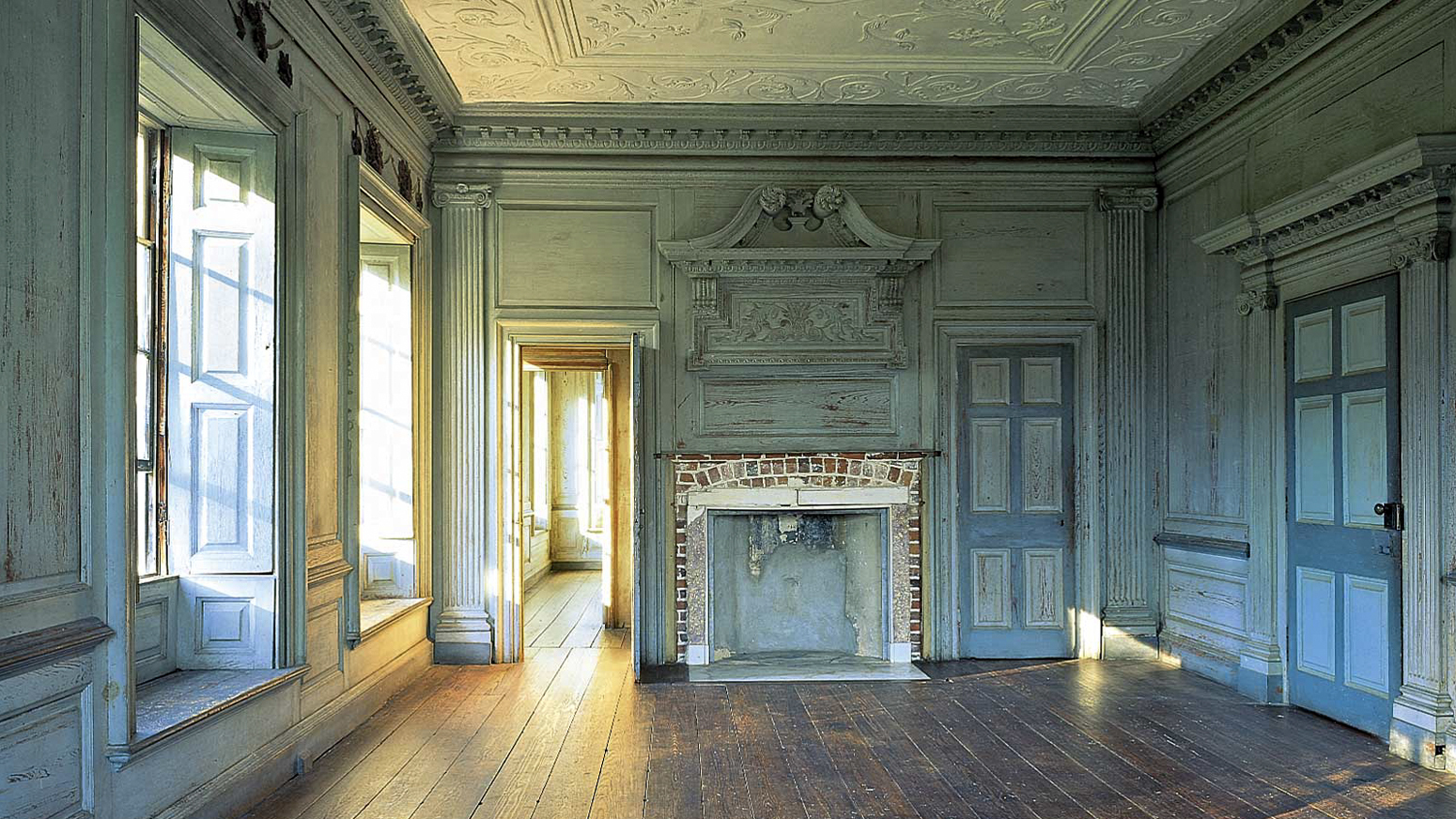
Traditional architecture is deeply rooted in climatic response. Long before modern technology, communities designed buildings that worked with nature rather than against it. Climate shaped everything—from building materials and roof forms to spatial layouts and construction techniques—ensuring comfort, durability, and efficiency using local knowledge.
Climate as a Primary Design Driver
Climate directly affects how buildings manage heat, light, wind, and moisture. Traditional architecture reflects generations of observation and adaptation, resulting in region-specific solutions that address environmental challenges naturally.
Key climatic factors influencing design include:
- Temperature variations
- Rainfall and humidity levels
- Wind direction and intensity
- Solar exposure
Hot and Arid Climates
In regions with extreme heat and low rainfall, traditional architecture focuses on cooling and shade.
Common Design Responses
- Thick walls made of stone or mud to slow heat transfer
- Small external openings to reduce solar gain
- Courtyards that promote air circulation and create cooler microclimates
- Flat roofs used for night-time sleeping during hot seasons
These strategies help maintain comfortable indoor temperatures without mechanical cooling.
Hot and Humid Climates
High humidity and heavy rainfall demand a different approach, emphasizing ventilation and moisture control.
Architectural Adaptations
- Elevated structures to protect from flooding
- Large windows and openings for cross-ventilation
- Lightweight materials such as wood or bamboo
- Steeply pitched roofs to quickly shed rainwater
Buildings in these regions breathe easily, preventing heat buildup and dampness.
Cold Climates
In colder regions, the priority shifts to heat retention and protection from harsh winds.
Climate-Responsive Features
- Compact building forms to minimize heat loss
- Thick insulation walls made from stone, earth, or timber
- Small, well-placed windows to reduce heat escape
- Sloped roofs to prevent snow accumulation
These homes conserve warmth while shielding occupants from extreme weather.
Temperate Climates
Traditional architecture in temperate zones balances heating and cooling needs throughout the year.
Balanced Design Strategies
- Moderate wall thickness
- Adjustable openings such as shutters
- Verandas and overhangs for seasonal sun control
- Flexible interior layouts to adapt to weather changes
This adaptability allows buildings to remain comfortable across seasons.
Role of Local Materials
Climate determines which materials perform best in a region. Traditional architecture relies heavily on locally available resources, chosen for their thermal and structural properties.
Common examples include:
- Mud and adobe for heat regulation
- Stone for thermal mass and durability
- Timber for flexibility and insulation
Using local materials also reduces environmental impact and enhances longevity.
Passive Design Techniques in Traditional Architecture
Traditional buildings employ passive strategies that modern sustainable design often seeks to replicate.
These include:
- Natural ventilation paths
- Solar orientation for seasonal comfort
- Shading devices such as screens and overhangs
- Earth coupling for thermal stability
Such techniques demonstrate how climate-aware design can be both practical and enduring.
FAQ: Climate and Traditional Architecture
Why is traditional architecture different in every region?
Because it evolves in direct response to local climate, materials, and cultural practices.
How does rainfall affect traditional roof design?
High rainfall leads to steep, sloped roofs, while dry regions often use flat roofs.
Can traditional climate-based designs work today?
Yes, many passive strategies from traditional architecture are used in modern sustainable buildings.
Why are courtyards common in hot regions?
Courtyards improve ventilation, provide shade, and create cooler indoor environments.
How do traditional buildings manage ventilation naturally?
Through strategic window placement, open layouts, and alignment with prevailing winds.
Is traditional architecture more energy-efficient than modern buildings?
In many cases, yes, because it reduces reliance on mechanical heating and cooling.
What lessons can modern architects learn from traditional architecture?
The importance of climate-responsive design, local materials, and passive comfort strategies.
Comments are closed.