

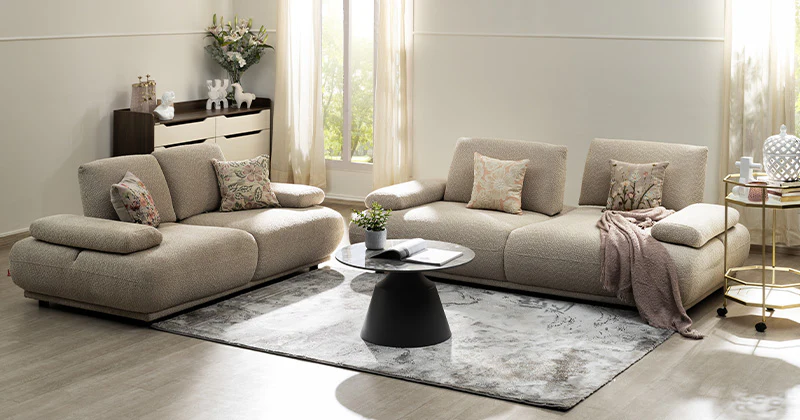
The Importance of Home Furniture
Home furniture shapes the way we experience our living environment. From comfort and convenience to visual appeal and organization, furniture plays a central role in defining each room’s purpose and atmosphere. Choosing the right pieces enhances daily life, improves space efficiency, and reflects personal style.
Essential Types of Home Furniture
Living Room Furniture
The living room is often the centerpiece of the home, where relaxation and social gatherings take place.
Key pieces include:
- Sofas, sectionals, and loveseats
- Accent chairs and recliners
- Coffee tables and side tables
- TV stands and entertainment units
Bedroom Furniture
Bedrooms should promote rest, comfort, and organization.
Important items:
- Beds and headboards
- Nightstands
- Dressers and wardrobes
- Storage benches or ottomans
Dining Room Furniture
Dining furniture supports both everyday meals and special occasions.
Common selections:
- Dining tables
- Chairs or benches
- Sideboards and buffet tables
- Display cabinets
Home Office Furniture
A well-designed office enhances productivity and comfort.
Useful pieces:
- Desks
- Ergonomic chairs
- Bookshelves
- Filing cabinets and storage units
Outdoor Furniture
Outdoor spaces benefit from durable, weather-resistant furniture.
Typical options:
- Patio seating
- Outdoor dining sets
- Lounge chairs
- Garden benches
Popular Furniture Materials
Wood
Wood is timeless, durable, and versatile.
Advantages:
- Long lifespan
- Warm, natural appearance
- Easy to refinish
Metal
Metal furniture offers strength and a sleek look.
Benefits include:
- Modern aesthetic
- High durability
- Low maintenance
Upholstered Fabrics
Fabric furniture adds comfort and personality.
Common materials:
- Cotton
- Linen
- Microfiber
- Leather
Glass and Acrylic
These materials make spaces look open, modern, and visually light.
Choosing the Right Home Furniture
Evaluate Your Space
Measure carefully to ensure furniture fits without crowding the room.
Prioritize Comfort
Seating should support posture, and mattresses should match your sleeping needs.
Match Your Style
Choose pieces that reflect your interior theme, such as modern, industrial, rustic, or traditional.
Focus on Functionality
Opt for furniture that offers storage, flexibility, or multi-purpose use—especially in smaller homes.
Pick Durable Materials
High-quality construction ensures longevity and reduces maintenance costs.
Tips for Arranging Furniture
Maintain Clear Pathways
Avoid placing large pieces in areas with frequent foot traffic.
Balance the Room
Distribute furniture evenly to create visual harmony.
Use Lighting Strategically
Furniture placement should complement natural and artificial lighting.
Create Focal Points
Position key pieces—like sofas or tables—around architectural or decorative elements.
FAQs
1. How can I choose the right furniture style for my home?
Identify your preferred design theme and pick pieces that match in color, material, and form.
2. What furniture pieces should I invest in first?
Start with essentials like a quality sofa, bed, dining table, and storage units.
3. How do I maintain upholstered furniture?
Vacuum regularly, treat stains immediately, and use fabric protectors to extend lifespan.
4. What’s the best material for long-lasting furniture?
Solid wood, metal frames, and high-quality upholstery fabrics offer superior durability.
5. How do I make small rooms feel larger with furniture?
Choose slim-profile pieces, light colors, and multifunctional furniture like storage ottomans.
6. Is custom furniture worth considering?
Yes, custom pieces provide perfect sizing, unique designs, and higher craftsmanship.
7. How often should I update or replace home furniture?
High-quality furniture lasts 10–20 years, depending on usage and maintenance.
Comments are closed.