

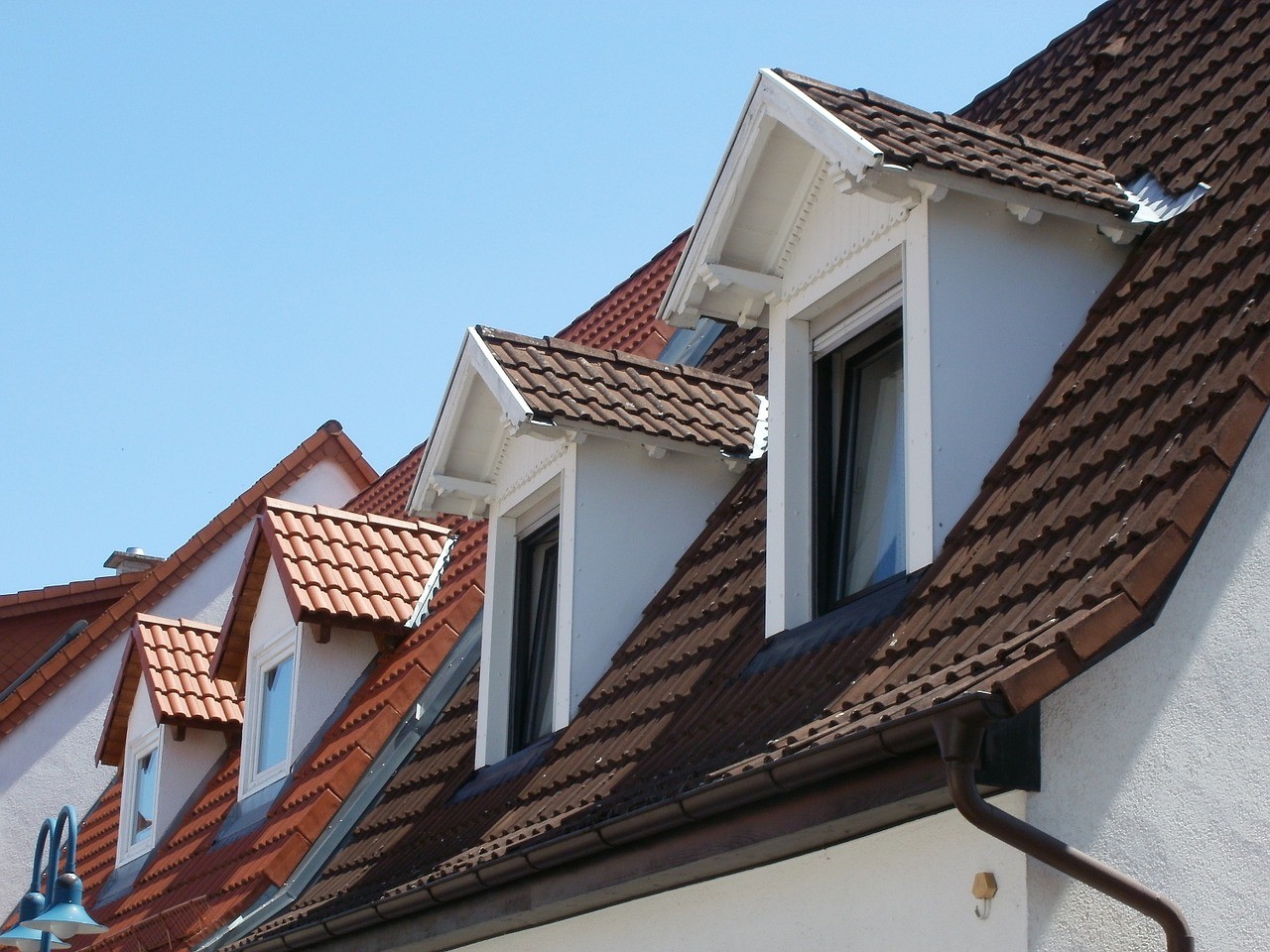
Understanding the Importance of a Reliable Roof
A high-quality roof is one of the most essential components of any structure. It shields your home from weather, improves energy efficiency, enhances curb appeal, and adds long-term value. Whether you’re planning a replacement, new installation, or routine maintenance, understanding key roofing concepts helps ensure better decisions and smarter investments.
Types of Roofing Materials
1. Asphalt Shingles
Asphalt shingles are among the most widely used roofing materials due to their affordability and versatility.
Key advantages include:
- Cost-effective and easy to install
- Wide range of colors and textures
- Suitable for most climates
2. Metal Roofing
Metal roofs deliver excellent durability and energy efficiency.
Highlights:
- Long lifespan (40–70 years)
- Strong resistance to wind, snow, and fire
- Reflective surfaces help reduce cooling costs
3. Clay and Concrete Tiles
Clay and concrete tiles offer exceptional longevity and a distinctive architectural style.
Benefits include:
- Outstanding durability
- Superior resistance to harsh weather
- Ideal for warm climates
4. Slate Roofing
Slate provides one of the most premium and long-lasting roofing solutions.
Why homeowners choose slate:
- Natural stone appearance
- Lifespan of 75–100+ years
- High resistance to fire and mold
5. Wood Shingles and Shakes
Wood shingles offer a natural aesthetic for rustic or historic homes.
Key properties:
- Attractive, natural finish
- Good insulation performance
- Requires periodic maintenance to prevent decay
Roofing Installation Essentials
Proper Ventilation
Adequate attic ventilation prevents moisture buildup, reduces heat retention, and extends roof life.
Underlayment Quality
A strong underlayment acts as a moisture barrier, enhancing your roof’s weather protection.
Professional Installation
Working with certified roofing contractors helps ensure:
- Correct material installation
- Code compliance
- Manufacturer warranty validity
Routine Roof Maintenance
Annual Inspections
Identifying minor issues early prevents costly repairs. Inspect for:
- Missing or damaged shingles
- Signs of moisture leaks
- Mold, algae, and debris buildup
Gutter Cleaning
Clean gutters maintain proper water flow and prevent damage to fascia boards and roofing materials.
Quick Repairs
Addressing small problems immediately—like lifting shingles or flashing damage—helps avoid larger structural issues.
When to Replace Your Roof
Common Signs of Roof Failure:
- Frequent leaks
- Sagging rooflines
- Extensive shingle granule loss
- Aging materials beyond expected lifespan
If your roof shows multiple warning signs, a full replacement may be the most cost-effective option.
Choosing a Roofing Contractor
Important factors to consider:
- Licensing and insurance
- Experience with your chosen material
- Written estimates and warranties
- Verified customer reviews
Selecting a reputable contractor ensures safe installation, long-lasting performance, and peace of mind.
FAQs
1. How long does a typical roof last?
Most roofs last 20–30 years, though premium materials like slate and metal can exceed 50 years.
2. What time of year is best for roof installation?
Mild weather seasons—spring and fall—are generally ideal for installation.
3. What causes roof leaks besides damaged shingles?
Improper flashing, clogged gutters, and deteriorated underlayment are common culprits.
4. How often should I schedule roof inspections?
At least once per year, and after severe storms.
5. Does a new roof improve home value?
Yes, a new roof can significantly boost resale value and curb appeal.
6. Are metal roofs noisy during rain?
No—proper insulation and underlayment minimize sound.
7. Can moss damage roofing materials?
Yes. Moss retains moisture, which can weaken shingles over time.
Comments are closed.