

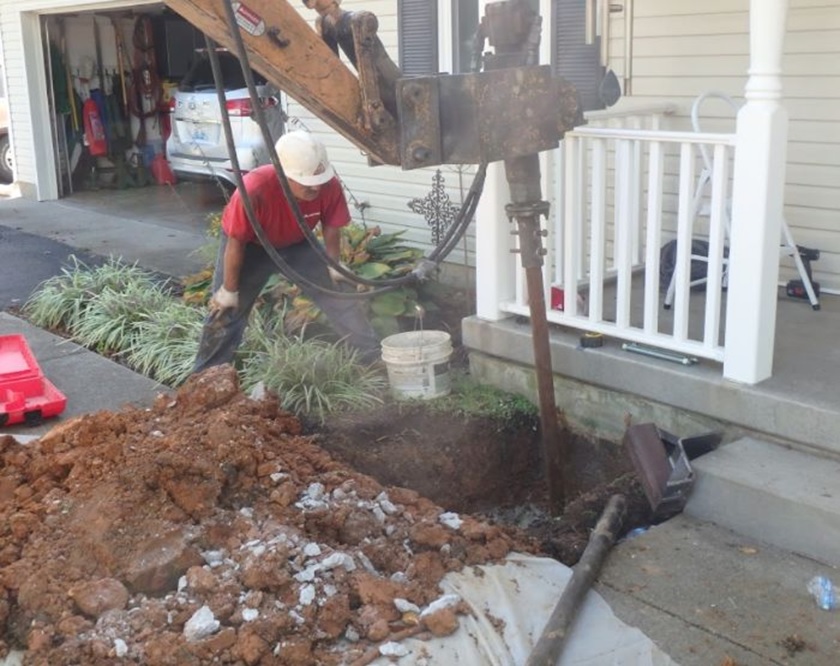
Discovering a new crack, uneven floor, or door that suddenly refuses to close properly can leave homeowners wondering what is happening beneath their property. Trying to diagnose the cause from individual symptoms can be difficult because similar signs can develop for different reasons. Scheduling a foundation inspection in Sterling Heights gives homeowners an opportunity to have the property evaluated more systematically before deciding what, if anything, should happen next.
Homeowners who are concerned about changes around their property can visit their website to learn more about professional foundation services. Knowing what to expect from an inspection can also make the appointment more useful. Rather than simply waiting for someone to identify a problem, homeowners can prepare observations, questions, and information about the property’s history beforehand.
Start With the Changes You Have Already Noticed
Homeowners spend far more time in their houses than an inspector does, which makes their observations useful.
Before the appointment, write down anything that seems unusual. This might include cracks that have recently appeared, doors that have become difficult to operate, changes in floors, gaps around trim, or moisture concerns near lower areas of the house.
Try to remember when each issue was first noticed.
If photographs were taken previously, keep them available. Older images can sometimes help establish whether a visible condition has remained relatively consistent or changed over time.
The goal is not to diagnose the issue yourself. It is simply to provide useful background information.
Expect More Than a Quick Look at One Crack
Homeowners sometimes schedule an inspection because of one highly visible problem.
That concern may be the reason for the appointment, but evaluating the broader property can provide important context. A crack should not necessarily be considered independently from surrounding walls, floors, openings, and exterior conditions.
During a foundation inspection in Sterling Heights, the professional may consider different areas of the property depending on its construction and the concerns being investigated.
Looking at the bigger picture can help determine whether observations appear isolated or form part of a broader pattern.
Interior Areas Can Provide Useful Clues
Changes associated with a foundation are not always visible directly on the foundation itself.
Interior walls, ceilings, floors, doors, and windows can sometimes provide additional information about how the house is behaving.
An inspector may pay attention to visible cracking, alignment, or other conditions that deserve further investigation.
Homeowners should mention rooms where they have noticed changes even if the symptoms seem minor.
A bedroom door that recently started sticking may initially seem unrelated to a crack elsewhere in the house. Providing both observations allows the professional to determine whether they deserve to be considered together.
Exterior Conditions Matter Too
The area surrounding the home can be just as important as the interior.
An exterior walkthrough may include observations around visible portions of the foundation and nearby ground. Drainage patterns, grading, downspouts, erosion, or areas where water regularly collects may provide useful context.
Homeowners can help by explaining what happens during heavy rainfall.
If a particular corner frequently develops standing water or a downspout regularly overflows, mention it during the appointment.
Even when these conditions are not responsible for the original concern, understanding how water behaves around a property is useful for overall home maintenance.
The Property’s History Can Help
Homes often have stories that are not obvious from a visual inspection.
Previous foundation repairs, additions, remodeling projects, drainage work, plumbing problems, or significant landscaping changes may all be relevant background information.
Gather any records you already have.
Inspection reports from a previous home purchase, repair invoices, photographs, warranties, or contractor documents can help provide additional context.
Homeowners preparing for a foundation inspection in Sterling Heights do not need a complete history of the property. Simply sharing what is known can make the conversation more informative.
Measurements May Help Establish a Clearer Picture
Visual observations are important, but certain concerns may require additional evaluation or measurements.
The specific methods used depend on the property, foundation type, visible conditions, and purpose of the inspection.
Homeowners can ask what is being evaluated and why.
If measurements are taken, it may also be useful to ask whether the information should be kept for future reference.
Documentation can become particularly valuable when a condition needs monitoring rather than immediate work.
Ask Whether the Condition Appears Active or Stable
One of the most useful questions homeowners can ask concerns change over time.
A visible imperfection may have existed for years without noticeable development, while another condition may be relatively new and continuing to change.
An inspection represents the property at a particular moment.
Previous photographs, repair records, and homeowner observations can provide additional history. In some cases, further monitoring may be recommended to better understand whether something is changing.
Homeowners should ask how they can appropriately monitor an area if no immediate action is recommended.
An Inspection Does Not Automatically Mean Major Repairs
Scheduling an inspection does not mean homeowners have already committed to a repair project.
The purpose is to better understand the observed conditions.
Some concerns may require attention, while others may need monitoring or could be related to something outside the foundation itself.
This distinction is important because homeowners can easily become alarmed after discovering a crack or uneven area.
A foundation inspection in Sterling Heights can provide information that helps determine the appropriate next step instead of jumping directly from observation to repair.
Prepare Questions Before the Appointment
Foundation terminology may be unfamiliar to many homeowners, so questions are valuable.
Ask what conditions were observed, which areas deserve the most attention, and whether anything should be monitored.
If work is recommended, homeowners can ask what problem the proposed work is intended to address.
They can also request clarification about the scope, expected process, access requirements, and any preparation that would be necessary.
Taking notes during the conversation can make it easier to review the information later.
Avoid Hiding the Evidence Before an Inspection
The temptation to patch a crack or repaint an affected wall can be strong, especially when the area is highly visible.
If an inspection has already been scheduled, homeowners may want to avoid making cosmetic changes that could hide useful information beforehand.
Photographs should be taken before completing repairs or alterations.
Likewise, avoid assuming that filling a visible crack resolves whatever caused it.
Cosmetic repairs and underlying conditions are not necessarily the same issue.
Understand What Happens Afterward
Before the inspector leaves, homeowners should understand what the next step is.
That could involve additional evaluation, monitoring, maintenance changes, or a discussion about possible repairs depending on what was found.
Ask whether documentation will be provided and what information it will contain.
If repair work is recommended, homeowners should understand why it is being suggested rather than focusing only on the repair method itself.
The explanation should connect the observed condition with the proposed response.
Keep Inspection Information With Your Home Records
Foundation information can remain useful long after the appointment.
Keep photographs, reports, measurements, invoices, repair records, and other relevant documentation together.
Future homeowners, inspectors, or contractors may benefit from understanding what was previously observed.
Records are particularly helpful when monitoring a condition.
Comparing information over time is generally more useful than trying to remember exactly how something looked months or years earlier.
Turn Uncertainty Into Useful Information
Visible changes around a house can be concerning, but guessing rarely provides a reliable answer. Preparing observations, gathering property records, understanding drainage patterns, and asking questions can make a foundation inspection in Sterling Heights a more productive experience. The goal is to develop a clearer understanding of the property and determine whether monitoring, maintenance, further evaluation, or repair should be considered.
Homeowners who want professional help evaluating foundation concerns can contact Sterling Heights Foundation Repair Specialists to discuss the conditions they have noticed. Starting with an inspection can provide a more informed basis for deciding what the property may need next.