

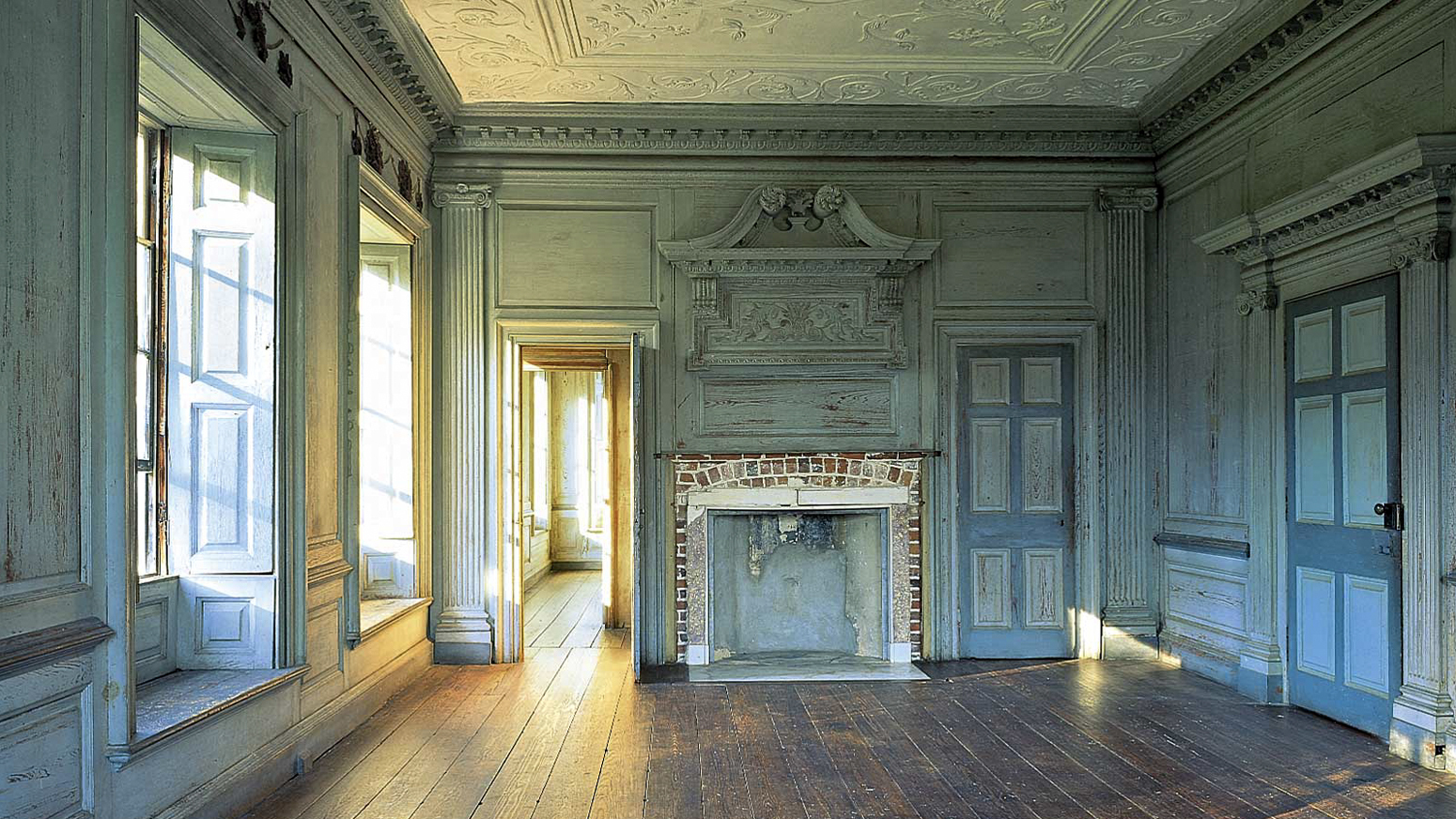
Classical and traditional architecture represents the foundation of the built environment, shaped by centuries of craftsmanship, cultural values, and structural wisdom. These architectural forms prioritize balance, harmony, durability, and symbolism, reflecting how early civilizations expressed identity, belief systems, and social order through buildings.
Defining Classical Architecture
Classical architecture originates from ancient civilizations, particularly Greece and Rome. It is governed by formal rules of proportion and symmetry, creating structures that feel orderly and timeless.
Key Characteristics of Classical Architecture
- Symmetry and proportion based on mathematical principles
- Use of columns, pediments, and arches
- Emphasis on monumentality and permanence
- Stone and marble as primary materials
Classical Orders of Architecture
Classical design follows distinct column systems, each with its own visual language:
- Doric – Simple, sturdy, and minimal
- Ionic – Slender with scroll-like capitals
- Corinthian – Highly decorative and ornate
These orders influenced temples, public buildings, and civic spaces for centuries.
Understanding Traditional Architecture
Traditional architecture evolves from local customs, climate, materials, and construction techniques. Unlike classical architecture, it is less rigid and more regionally adaptive.
Core Elements of Traditional Architecture
- Use of locally available materials such as wood, clay, stone, or bamboo
- Designs adapted to climate and geography
- Strong connection to cultural practices and daily life
- Craftsmanship passed down through generations
Traditional homes often prioritize natural ventilation, shading, and thermal comfort without relying on modern technology.
Cultural and Symbolic Importance
Both classical and traditional architecture act as visual records of history. Temples, palaces, courtyards, and vernacular homes reveal how societies organized power, worship, and community life.
Symbolism plays a vital role:
- Columns represent strength and order
- Courtyards symbolize social gathering and harmony
- Ornamentation reflects religious and cultural beliefs
Materials and Construction Techniques
Durability is a defining trait of classical and traditional buildings. Builders relied on proven techniques to ensure longevity.
Common materials include:
- Stone and marble for monumental structures
- Brick and mud for residential buildings
- Timber for roofs, frames, and detailing
Construction methods focused on load-bearing walls, arches, and post-and-lintel systems.
Influence on Modern Architecture
Despite technological advancements, classical and traditional architecture continue to influence modern design. Architects often reinterpret classical proportions or incorporate traditional elements to create context-sensitive buildings.
Modern adaptations include:
- Neoclassical facades
- Courtyard-based housing designs
- Revival of passive cooling techniques
This fusion ensures architectural continuity while addressing contemporary needs.
FAQ: Classical and Traditional Architecture
What is the main difference between classical and traditional architecture?
Classical architecture follows formal rules and symmetry rooted in ancient civilizations, while traditional architecture is region-specific and shaped by local culture and climate.
Why are columns so important in classical architecture?
Columns provide structural support and visual order, symbolizing strength, balance, and proportion.
Is traditional architecture sustainable?
Yes, traditional architecture often uses local materials and passive design strategies, making it environmentally responsive.
Can classical architecture be used in modern buildings?
Yes, many modern buildings incorporate classical elements such as symmetry and columns in contemporary forms.
Why has classical architecture lasted for centuries?
Its reliance on durable materials, balanced proportions, and proven construction techniques has ensured longevity.
How does climate influence traditional architecture?
Climate determines roof forms, wall thickness, openings, and materials to enhance comfort and efficiency.
Are classical and traditional styles still relevant today?
Absolutely. They provide timeless design principles that inspire modern architecture while preserving cultural identity.
Comments are closed.