

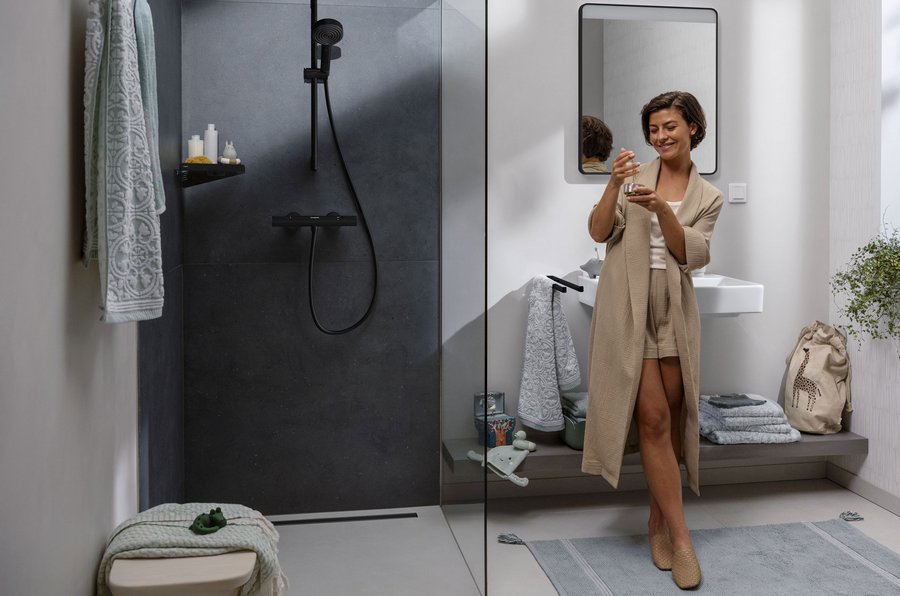
The bathroom is one of the most frequently used spaces in any home, yet it is also one of the most hazardous. Wet surfaces, high tub walls, and confined layouts turn routine tasks like stepping into a shower into daily physical hurdles. Accessible showers eliminate these barriers by replacing traditional step-over bathtubs and cramped enclosures with open, thoughtfully engineered designs that prioritize safety, independence, and comfort for people of all ages and mobility levels.
- Built-In Stability and Seating Options
Standing for ten to fifteen minutes under warm water can be exhausting for people managing chronic fatigue, vertigo, arthritis, or cardiovascular conditions. Accessible showers integrate ergonomic support features directly into the bathing area so users never have to rely on unstable plastic stools or slippery walls for balance.
Fold-down shower seats mounted securely to the wall provide a sturdy place to rest while washing. When not in use, the bench folds flat against the wall, preserving floor space for other household members. Built-in corner benches or full-width tiled ledges offer permanent, spa-like seating that blends naturally into the bathroom aesthetic.
Strategically placed grab bars reinforce stability throughout the entire routine. Modern grab bars are engineered to support hundreds of pounds of weight while looking like sleek towel racks or contemporary fixtures rather than clinical hospital hardware. Placing vertical bars at the shower entrance assists with stepping inside, while horizontal or angled bars near the seating area and controls offer reliable leverage when transitioning from sitting to standing.
- Smarter Water Controls and Fixtures
Reaching across a slippery tub to turn stiff faucets or dodging sudden bursts of scalding water adds unnecessary stress and danger to bathing. Accessible shower systems place intuitive, easy-to-reach controls right where the user needs them.
Handheld showerheads mounted on adjustable slide bars allow users to direct water precisely where they want it, whether they are standing or seated. With the push of a button or a quick slide along the vertical rail, the showerhead moves from overhead height down to seated shoulder level. Many models also feature pause switches on the handle, making it easy to stop water flow while lathering without losing the preferred temperature setting.
Thermostatic mixing valves and anti-scald technology protect sensitive skin from sudden temperature spikes when someone flushes a toilet or runs a sink elsewhere in the house. Lever-style handles and push-button diverters replace hard-to-grip round knobs, enabling effortless operation even with wet, soapy hands or limited grip strength due to arthritis.
- Slip-Resistant Flooring and Proper Drainage
Water and smooth ceramic tile create a dangerous combination. Accessible showers address traction from the ground up through specialized flooring materials and precision drainage engineering.
Textured porcelain tiles, matte-finish natural stone, and slip-resistant acrylic shower pans provide reliable grip underfoot without feeling rough or uncomfortable on bare feet. Smaller mosaic tiles on the shower floor also increase traction naturally because the higher density of grout lines creates subtle friction across the surface.
Behind the scenes, subtle floor grading guides water efficiently toward linear trench drains or centered point drains. A properly sloped shower floor prevents puddles from pooling around feet or wheelchair wheels, keeping the surrounding bathroom dry and reducing the risk of slipping when stepping out onto the bath mat.
- Improved Lighting, Visibility, and Storage
Comfort and safety depend heavily on being able to see clearly and reach everyday essentials without straining. Dim overhead lighting casts shadows inside enclosed showers, making it harder to judge depth, spot water on the floor, or read shampoo labels.
Recessed waterproof LED lighting installed directly above the shower zone brightens the entire space evenly. Pairing overhead illumination with soft perimeter lighting or backlit niches improves visibility during nighttime trips to the bathroom without jarring the eyes.
Recessed wall niches positioned at chest or seated height keep soap, shampoo, and razors within easy arm’s reach. Eliminating cluttered corner caddies and floor bottles prevents users from bending over, stretching awkwardly, or knocking items onto the floor where they become tripping hazards.
Conclusion
Everyday bathroom routines should feel restorative rather than risky. By combining curbless entries, slip-resistant surfaces, sturdy seating, ergonomic grab bars, and intuitive water controls, accessible showers transform one of the most hazardous rooms in the house into a secure and welcoming space. Thoughtful design choices made today ensure lasting comfort, dignity, and independence for years to come.