

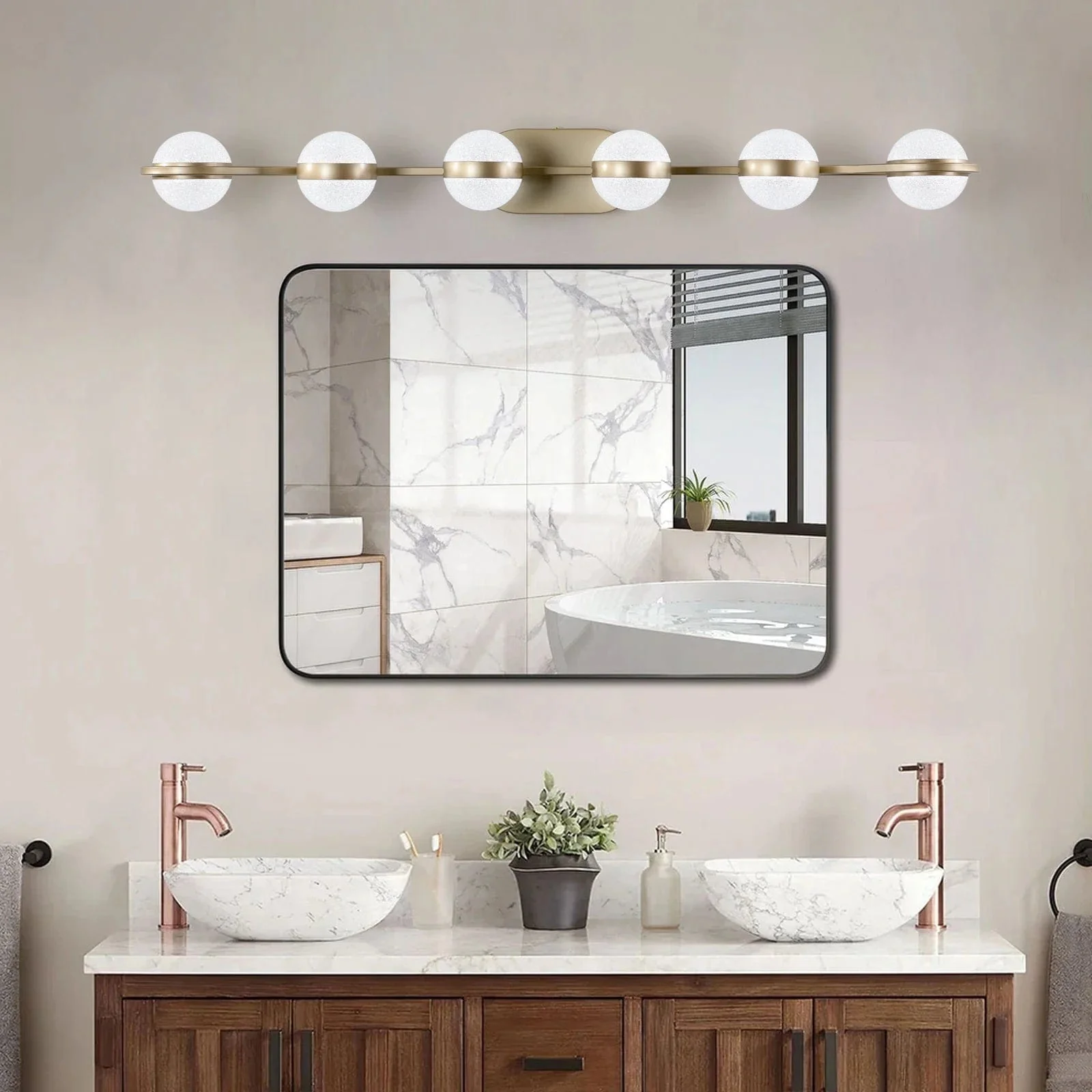
Bathroom lighting does far more than simply illuminate the room. The right lighting setup improves visibility, enhances design aesthetics, and makes everyday routines like grooming safer and easier. Whether you’re planning a renovation or upgrading fixtures, smart lighting choices can transform even the smallest bathroom into a bright, welcoming space.
Understand the Purpose of Bathroom Lighting
Before selecting fixtures, it’s important to recognize that bathrooms need multiple types of lighting, each serving a different purpose.
- Task lighting for grooming and makeup
- Ambient lighting for overall brightness
- Accent lighting to highlight design features
Balancing these layers ensures your bathroom feels both functional and comfortable.
Choose the Right Light Placement
Lighting placement has a bigger impact than fixture style alone. Poor placement can cause shadows, glare, or uneven brightness.
Vanity Lighting Tips
- Install lights at eye level on both sides of the mirror
- Avoid single overhead lights that cast harsh shadows
- Use diffused fixtures to reduce glare
This setup provides even illumination, especially useful for shaving, skincare, and makeup application.
Layer Your Bathroom Lighting
A single light source is rarely enough. Layered lighting creates depth and improves usability.
Essential Lighting Layers
- Ambient lighting: Ceiling-mounted fixtures or recessed lights
- Task lighting: Vanity sconces or mirror-integrated lights
- Accent lighting: LED strips under vanities or around mirrors
Layering allows you to adjust lighting based on time of day and mood.
Select the Right Color Temperature
Color temperature affects how bright and comfortable your bathroom feels.
- Warm white (2700K–3000K): Cozy, spa-like atmosphere
- Neutral white (3500K–4000K): Balanced and natural for daily tasks
- Cool white (5000K): Crisp and energizing, ideal for modern bathrooms
For most homes, neutral white offers the best balance between comfort and clarity.
Maximize Natural Light When Possible
If your bathroom has windows or skylights, make the most of them.
- Use frosted glass for privacy without blocking light
- Avoid heavy curtains or dark window treatments
- Place mirrors strategically to reflect daylight
Natural light reduces the need for artificial lighting during the day and makes the space feel more open.
Use Dimmers for Flexibility
Installing dimmer switches gives you control over brightness levels.
Benefits of dimmers include:
- Softer lighting for nighttime use
- Full brightness for cleaning and grooming
- Energy savings and extended bulb life
Dimmers are a small upgrade that delivers noticeable comfort.
Opt for Energy-Efficient Lighting
Modern bathrooms benefit greatly from LED lighting.
- Uses less energy than traditional bulbs
- Produces minimal heat
- Lasts significantly longer
LEDs are available in a wide range of styles and color temperatures, making them suitable for any bathroom design.
Consider Bathroom Safety Ratings
Bathrooms are high-moisture environments, so lighting safety matters.
- Choose fixtures rated for damp or wet locations
- Ensure proper installation away from direct water exposure
- Follow local electrical codes
This ensures both longevity and safety.
Match Lighting Style with Bathroom Design
Lighting should complement your overall bathroom aesthetic.
- Modern bathrooms: Sleek recessed lights or minimalist LED fixtures
- Traditional bathrooms: Decorative sconces and warm-toned bulbs
- Luxury bathrooms: Chandeliers or layered accent lighting
Consistency in style ties the entire space together.
Frequently Asked Questions (FAQs)
What is the best lighting setup for a small bathroom?
A combination of bright ambient lighting and well-placed vanity lights works best. Mirrors and light-colored surfaces also help reflect light and make the space feel larger.
How many lumens are ideal for a bathroom?
Most bathrooms need between 1,500 and 3,000 lumens, depending on size and layout. Layered lighting helps distribute brightness evenly.
Can I use warm lighting in the bathroom?
Yes. Warm lighting is ideal for creating a relaxing atmosphere, especially when paired with neutral or task lighting for grooming.
Are LED lights safe for bathrooms?
Yes, as long as they are rated for damp or wet locations. Always check product specifications before installation.
Should bathroom lights match the rest of the house?
While consistency is helpful, bathrooms often benefit from slightly brighter and more neutral lighting compared to living spaces.
Is backlit mirror lighting effective?
Backlit mirrors provide soft, even illumination and work well as accent or supplementary task lighting.
Do dimmers work with LED bathroom lights?
Most modern LEDs are dimmable, but you should ensure both the bulb and the dimmer switch are compatible.
By thoughtfully combining placement, layering, and fixture selection, you can create a bathroom lighting setup that feels brighter, safer, and more inviting—without sacrificing style or efficiency.
Comments are closed.