

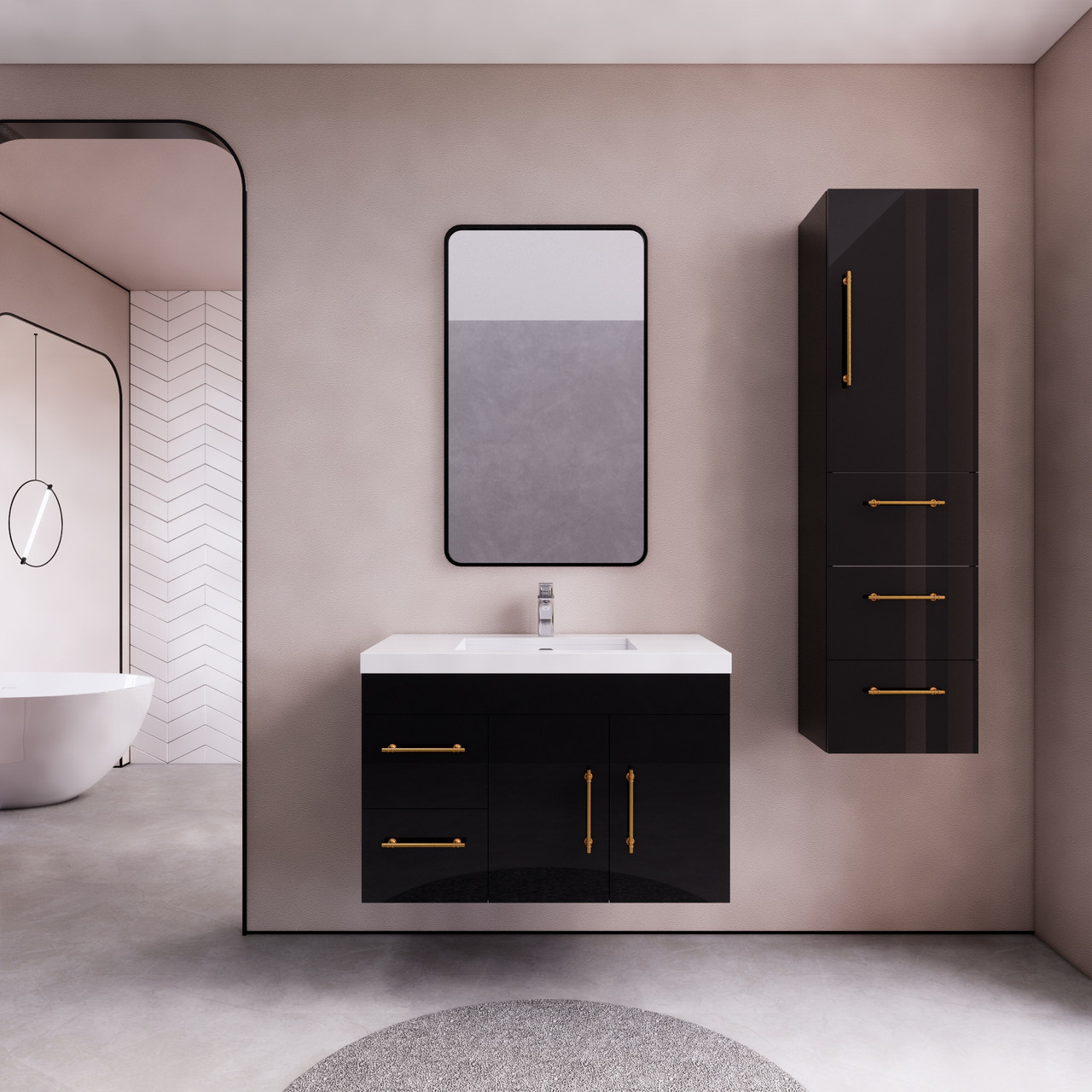
Choosing the right bathroom vanity is one of the most important decisions in bathroom design. A vanity isn’t just a storage unit—it anchors the room visually, supports daily routines, and influences how spacious or cluttered the bathroom feels. The perfect vanity blends functionality, style, and proportion to suit your space and lifestyle.
Start With Accurate Bathroom Measurements
Before exploring styles, measure your bathroom carefully. An ill-fitting vanity can disrupt movement and overwhelm the layout.
Key measurements to consider:
- Available width and depth
- Door and drawer clearance
- Distance from shower, toilet, and walls
For smaller bathrooms, compact or wall-mounted vanities help maintain openness without sacrificing usability.
Choose the Right Vanity Size
Vanity size should match both the bathroom scale and the number of users.
Common Vanity Widths
- 24–30 inches: Ideal for powder rooms and small bathrooms
- 36–48 inches: Suitable for standard single-sink bathrooms
- 60 inches or more: Best for master bathrooms and shared spaces
Avoid oversized vanities that crowd the room or undersized ones that limit storage.
Decide Between Single or Double Sink
The choice between single and double sinks depends on space and daily needs.
- Single sink vanities save space and provide more counter area
- Double sink vanities reduce morning congestion in shared bathrooms
If space is tight, a wide single-sink vanity often offers a better balance of function and comfort.
Select a Vanity Style That Matches Your Design
The vanity should complement your overall bathroom aesthetic.
Popular Vanity Styles
- Modern: Clean lines, handle-less drawers, glossy or matte finishes
- Traditional: Decorative details, raised panels, warm wood tones
- Transitional: A mix of classic and contemporary elements
- Floating vanities: Wall-mounted designs that create a light, open feel
Consistency in style helps the bathroom look intentional and cohesive.
Consider Storage Needs Carefully
Storage is often the deciding factor when choosing a vanity.
Look for features such as:
- Soft-close drawers for quiet operation
- Deep drawers for hair tools and toiletries
- Cabinet shelving for cleaning supplies
- Built-in organizers to reduce clutter
A well-designed vanity keeps everyday items accessible while maintaining a clean appearance.
Pick the Right Countertop Material
The countertop affects durability, maintenance, and overall look.
Popular Vanity Countertops
- Quartz: Low maintenance and highly durable
- Marble: Elegant but requires regular sealing
- Granite: Natural beauty with strong durability
- Solid surface: Seamless appearance and easy repair
Choose a material that fits both your aesthetic and maintenance preferences.
Match the Sink and Faucet Style
The sink and faucet should work seamlessly with the vanity design.
- Undermount sinks create a clean, modern look
- Vessel sinks add a bold design statement
- Integrated sinks offer a sleek, minimal appearance
Ensure the faucet height and reach are compatible with the sink to avoid splashing issues.
Pay Attention to Vanity Height
Standard vanity height has increased in modern homes for comfort.
- Traditional height: Around 30–32 inches
- Comfort height: Around 34–36 inches
Taller vanities reduce bending and are especially comfortable for adults.
Choose Durable Materials for Long-Term Use
Bathrooms experience moisture, heat, and frequent use.
Look for:
- Moisture-resistant finishes
- Solid wood or high-quality plywood construction
- Sealed edges and joints
Avoid low-quality particleboard in high-humidity environments.
Coordinate With Mirrors and Lighting
The vanity doesn’t stand alone—it works with mirrors and lighting.
- Match mirror width to the vanity size
- Use vanity lighting that provides even, shadow-free illumination
- Consider mirrored cabinets for added storage
Proper coordination enhances both function and visual balance.
Frequently Asked Questions (FAQs)
How long should a bathroom vanity last?
A well-built vanity made from quality materials can last 10–20 years or more with proper care.
Is a floating vanity practical for everyday use?
Yes. Floating vanities are sturdy when properly installed and make cleaning the floor easier.
Can I replace a vanity without redoing plumbing?
Often yes, as long as the new vanity aligns with existing plumbing locations.
Are darker vanity colors hard to maintain?
Darker finishes may show water spots more easily but can be low-maintenance with the right surface coating.
Should vanity drawers or cabinets be prioritized?
Drawers are generally more accessible, while cabinets work well for tall or bulky items.
Does a vanity need to match bathroom hardware?
Exact matching isn’t required, but coordinating finishes creates a more polished look.
Is custom vanity worth the cost?
Custom vanities are ideal for unique layouts or specific storage needs, but high-quality ready-made options work well for most bathrooms.
By focusing on size, storage, materials, and design harmony, you can choose a bathroom vanity that not only looks great but also supports your daily routine for years to come.
Comments are closed.