

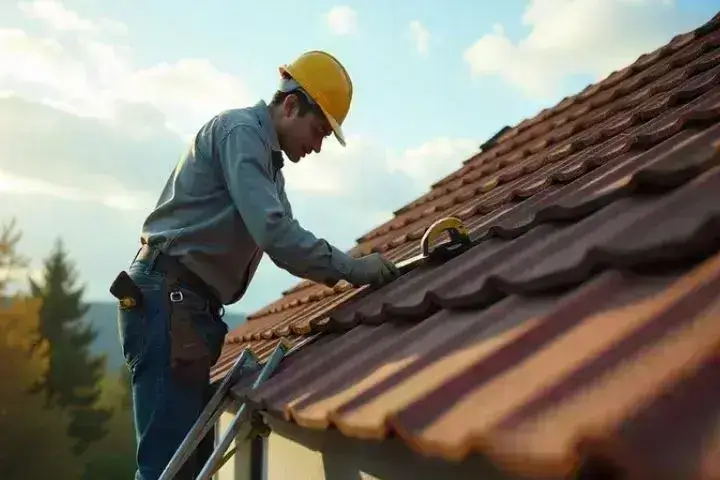
A roof leak rarely announces itself dramatically. In most cases, the damage begins quietly, hidden behind walls and above ceilings, progressing for weeks or even months before a homeowner notices anything is wrong. By the time visible signs appear, the underlying damage can already be significant.
Knowing what to look for can help you catch a leak early, saving you from expensive structural repairs, mold remediation, and ruined belongings. Here are the most common warning signs that your roof may be leaking.
Water Stains on Ceilings and Walls
This is the sign most people recognize, but it often appears later than you might expect. Brown or yellowish rings on ceilings, or discolored patches running down interior walls, typically indicate that water has been traveling from the roof along rafters, sheathing, or insulation before settling in a visible spot.
The tricky part is that the stain’s location rarely lines up directly with the source of the leak. Water can travel a surprising distance along roof decking and framing before it finds a place to drip down. That is why simply patching the stained area without investigating the roof itself is never a real solution.
Musty Odors in the Attic or Upper Floors
If your attic or upstairs rooms have developed a persistent damp, musty smell, moisture is likely accumulating somewhere it should not be. Even a small amount of water intrusion can create the conditions for mold and mildew growth, especially in poorly ventilated spaces.
The EPA (epa.gov/mold) notes that mold can begin growing on wet surfaces within 24 to 48 hours, and once established, it can spread through wall cavities and HVAC systems, creating health risks for everyone in the household. If you notice that musty smell, investigate promptly rather than masking it with air fresheners.
Curling, Cracked, or Missing Shingles
Your roof’s shingles are its primary barrier against rain. When shingles start curling at the edges, cracking down the middle, or going missing entirely, they leave the underlayment and decking exposed to moisture.
In warm, dry climates like California, homeowners sometimes assume their roof is fine because it rarely rains. But years of intense sun and heat cause shingles to become brittle and deteriorate, and when those first heavy rains finally arrive, the damage becomes apparent fast. Sudden seasonal rain is one of the most common triggers for unexpected leaks in these regions.
Higher Than Expected Energy Bills
A spike in heating or cooling costs can have many causes, but a compromised roof is one that homeowners rarely consider. When water infiltrates insulation, it dramatically reduces the insulation’s effectiveness. Wet insulation compresses and loses its ability to regulate temperature, forcing your HVAC system to work harder.
If your energy bills have increased without a clear explanation, it may be worth checking your attic insulation for signs of moisture.
Granules in the Gutters
Asphalt shingles are coated with granules that protect them from UV damage. As shingles age, they shed these granules, which wash into your gutters and downspouts. Finding a noticeable accumulation of coarse, sand-like material in your gutters is a sign that your shingles are nearing the end of their useful life and may no longer be keeping water out effectively.
When to Call a Professional
Some minor issues, like replacing a single damaged shingle, can be handled by a confident DIYer with proper safety equipment. But roof work is inherently dangerous, and most leak situations involve more complexity than what is visible from the surface.
You should call a professional when you see multiple warning signs occurring together, when a leak is active, when the roof is steep or difficult to access, or when the source of the leak is not obvious. For homeowners in California, connecting with roof leak repair specialists in California is a practical first step, particularly given the region’s unique weather patterns where long dry spells followed by intense rain can expose vulnerabilities that have been developing silently for years.
FEMA (fema.gov) recommends addressing water intrusion promptly, as even minor leaks can compromise structural integrity over time and create conditions for secondary damage like mold, rot, and pest infestations.
Act Quickly, Save Money
The most important thing to understand about roof leaks is that they never get better on their own. A small leak today becomes a major problem next season. The cost of an inspection and early repair is almost always a fraction of the cost of dealing with the cascading damage a neglected leak will cause. Pay attention to these warning signs, and when in doubt, get a professional opinion sooner rather than later.
Comments are closed.