

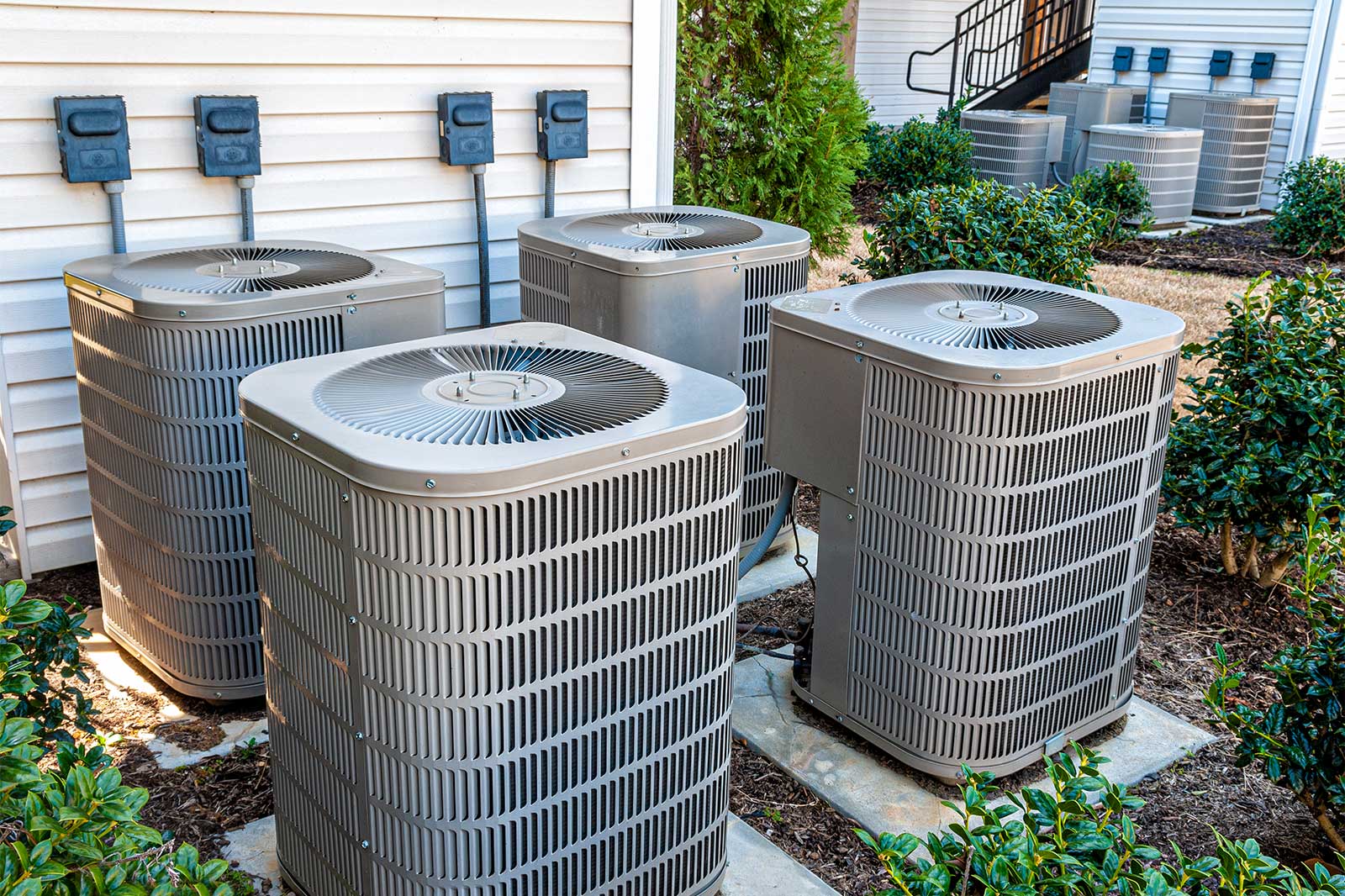
Most homeowners encounter the HVAC replacement dilemma during an emergency. It usually happens on the hottest afternoon in July or during a bitter January freeze. A technician arrives, diagnoses a catastrophic compressor failure or a cracked heat exchanger, and delivers the bad news. Then comes the second blow: while quoting the repair or single-unit replacement, the technician looks at your other aging unit and suggests replacing both the furnace and the air conditioner together.
To someone already facing an unexpected bill, that recommendation often feels like an aggressive upsell. You called because the air conditioner stopped blowing cold air, so why should you spend thousands more to replace a furnace that was working fine just two months ago?
The hesitation is completely understandable. Yet behind the upfront sticker shock lies a complex mix of labor economics, mechanical compatibility, and energy efficiency. While replacing both systems simultaneously demands a substantial upfront investment, splitting the projects across two separate years frequently costs significantly more in cash, efficiency, and time. Understanding how these costs break down allows you to separate manufacturer sales pitches from practical financial sense.
What a Combined Replacement Actually Costs
Nationally, the total cost to replace a furnace and central air conditioner at the same time ranges between $7,500 and $16,500, with the typical American homeowner spending around $10,500 to $12,500 for a complete, professionally installed mid-tier system.
If you were to purchase and install those same systems separately, the bills tell a different story. Replacing only a furnace typically costs between $3,500 and $7,500, depending on fuel type and efficiency. Replacing only an air conditioner generally runs from $4,500 to $9,500. Handled as two isolated projects over three or four years, your cumulative out-of-pocket expense often climbs between $11,500 and $18,500.
The primary driver behind that price variation is equipment capability, categorized broadly into three tiers:
Standard Efficiency Systems
Entry-level packages usually pair an 80% Annual Fuel Utilization Efficiency (AFUE) gas furnace with a baseline 13.4 to 14.3 SEER2 single-stage air conditioner. For an average-sized suburban home, this bundled installation typically runs between $6,500 and $9,000. These units are dependable workhorses with basic single-speed blowers, but they consume more energy and offer the least precise temperature and humidity control.
Mid-Range High-Efficiency Systems
The sweet spot for most residential budgets combines a 92% to 96% AFUE condensing gas furnace with a 15 to 17 SEER2 two-stage air conditioner. Installed as a matched pair, this tier generally costs between $9,500 and $13,500. Two-stage systems run on a lower, quieter setting during mild weather and ramp up to full capacity only during extreme temperature spikes, resulting in noticeably lower electric bills and improved indoor humidity removal.
Premium Variable-Capacity Systems
At the top of the spectrum are fully modulating systems, featuring variable-speed inverter compressors, 98% AFUE communicating gas furnaces, and cooling ratings exceeding 18 to 20+ SEER2. A dual replacement at this level ranges from $14,000 to $20,000 or more. While the upfront price is steep, these systems provide virtually silent operation, surgical temperature stability within half a degree, and the lowest monthly operating costs possible in modern heating and cooling.
The Shared Anatomy: Why Split Replacements Cause Problems
To understand why contractors push for simultaneous replacement, you have to look inside the mechanical closet. Homeowners tend to view heating and cooling as two unrelated appliances that share the same wall thermostat, but physically and mechanically, they operate as a single unified machine.
A split central air conditioning system consists of an outdoor condensing unit and an indoor evaporator coil. That indoor coil sits directly on top of, or adjacent to, the furnace cabinet. Furthermore, the air conditioner has no fan of its own inside the house; it relies entirely on the furnace blower motor to force conditioned air across the evaporator coil and through your supply vents.
When you replace only the outdoor condenser and keep an old furnace, several operational compromises occur:
The Mismatched Coil Bottleneck
If an installer puts a modern, high-efficiency cooling unit outside while leaving a 15-year-old indoor coil and furnace inside, the equipment is inherently mismatched. Modern air conditioners rely on specific surface areas, expansion valves, and calibrated refrigerant volumes. Hooking a new condenser to a corroded or outdated indoor coil forces the new compressor to work harder under improper operating pressures, accelerating mechanical wear and frequently causing premature compressor failure.
Blower Motor Incompatibilities
Modern high-SEER2 air conditioners depend on electronically commutated blower motors (ECM) capable of modulating airflow for moisture removal. If your old furnace still uses an outdated, power-hungry permanent split capacitor (PSC) single-speed blower, your brand-new cooling unit will never reach its rated efficiency. You pay the purchase price for a high-efficiency AC, but run it through a motor that drags overall system performance back down to entry-level numbers.
Refrigerant and Coil Standards
The HVAC industry has transitioned away from legacy chemical refrigerants toward environmentally conscious alternatives with lower global warming potential. Pairing modern equipment designed for modern refrigerants with an older, legacy indoor system is often mechanically impossible without replacing the line set and coil anyway. If the technician has to tear apart the plenum to install a new coil, most of the labor required to swap the furnace has already been performed.
Voided Manufacturer Warranties
Major HVAC equipment manufacturers build and test their components as paired sets certified by the Air-Conditioning, Heating, and Refrigeration Institute (AHRI). If you install an outdoor condenser without an AHRI-matched indoor coil and compatible air handler, manufacturers will frequently shorten or outright deny warranty coverage on core parts like the compressor.
Labor and Logistics: Where Bundled Savings Come From
The biggest discount in a simultaneous replacement does not come from wholesale equipment prices; it comes from labor efficiency.
Installing an HVAC system requires specialized, licensed labor across multiple trades: high-voltage electrical, plumbing, natural gas piping, sheet metal fabrication, and EPA-certified refrigerant handling. When an installation crew arrives at your home, setting up protective floor coverings, recovering old refrigerant, cutting metal ductwork, and pulling municipal permits takes hours regardless of whether they change one box or two.
When both systems are replaced together, the technicians perform those logistical tasks once:
-
Single Permit and Inspection Fees: Municipalities require building and mechanical permits for HVAC work. Doing the job together means paying one permit fee and scheduling one municipal inspector visit instead of two.
-
Shared Sheet Metal Work: Connecting a new furnace and a new evaporator coil to your existing duct plenum requires custom sheet metal transitions. Fabricating this connection once saves three to five hours of skilled metalwork compared to cutting, taping, and sealing the plenum twice across separate years.
-
Electrical and Gas Line Upgrades: Bringing aging wiring, shutoff switches, and gas sediment traps up to current local safety codes happens concurrently.
-
Refrigerant Line Evacuation: Pulling a deep vacuum on the copper line set to eliminate moisture and non-condensables is a time-consuming procedural requirement. Doing it once alongside a paired coil installation eliminates redundant truck visits and labor billing.
In total, bundling both units eliminates approximately $1,000 to $2,500 in duplicate labor costs, transit charges, and redundant administrative fees.
Surprise Expenses That Impact the Final Bill
When examining competitive quotes, many homeowners discover that price estimates from two reputable local contractors can vary by several thousand dollars for the exact same brand of equipment. That discrepancy usually boils down to whether the estimate includes the secondary modifications required to support modern HVAC units:
Ductwork Reconfiguration and Sealing
Modern high-efficiency equipment moves air differently than systems built twenty years ago. If your existing ductwork has collapsed flex ducts, undersized return air grilles, or massive air leaks in unconditioned attic spaces, your new equipment will suffocate. Modifying supply plenums, adding return drops, or performing mastic sealing can add $800 to $3,000 to the total project cost.
High-Efficiency Flue Venting
If you transition from an older 80% natural draft furnace that vents through a metal chimney to a 90%+ condensing furnace, the exhaust gases are much cooler and contain acidic moisture. These units cannot share an old chimney flue and must vent directly outside through dedicated PVC or polypropylene pipes cut through the rim joist or exterior wall. Depending on home layout and access routes, running new intake and exhaust pipes adds $400 to $1,200.
Electrical Panel and Wiring Updates
Modern variable-speed systems and heat pump components demand stable electrical feeds. If your breaker panel is full, lacks proper grounding, or features an outdated disconnect box near the outdoor unit, expect an electrician to charge between $300 and $1,500 to install dedicated circuits, surge protection, or sub-panels.
Condensate Drainage and Safety Switches
High-efficiency furnaces and modern cooling coils generate substantial amounts of condensation daily. Installing new PVC drain lines, freeze-protected condensate pumps, and overflow float switches to prevent attic ceiling leaks is standard practice for quality contractors, usually adding $150 to $400 in parts and plumbing labor.
Offsetting the Cost: Tax Credits, Rebates, and Efficiency Gains
While five figures is a heavy sum to digest, homeowners can offset a notable portion of a dual replacement through federal incentives, local utility programs, and ongoing fuel savings.
Under federal energy efficiency programs, qualifying high-efficiency HVAC equipment can unlock meaningful tax credits. Homeowners who install matched systems that meet high-tier CEE (Consortium for Energy Efficiency) standards can claim credits on qualifying heat pumps, high-efficiency gas furnaces, and central air conditioners. These federal credits often provide up to $600 to $2,000 in direct tax relief depending on system architecture and efficiency ratings.
Local electric and gas utilities frequently offer their own rebates to incentivize energy reduction. Utility rebates typically range from $250 to $1,200, often paid as a direct check or instant invoice discount when you provide proof of an AHRI-certified matched installation.
Beyond upfront credits, the operating savings begin immediately. Replacing an old 10 SEER air conditioner and a 70% AFUE furnace with a matched 16 SEER2 / 95% AFUE system can drop heating and cooling energy usage by 25% to 40%. In climates with long, humid summers and freezing winters, that translates to hundreds of dollars shaved off your electric and gas bills every single year.
When It Makes Sense to Bundle—and When to Wait
Replacing both units simultaneously is mechanically superior, but it is not mandatory in every single household scenario. Use this practical framework to determine whether a dual replacement is financially justifiable for your home:
Replace Both Units Together If:
-
The surviving unit is 10 to 12 years old or older. The average lifespan of a central air conditioner is 12 to 15 years, while a furnace typically lasts 15 to 20 years. If your furnace is 13 years old and your AC dies, your furnace is already nearing the end of its statistical life. Replacing the AC now and calling the crew back two winters later to replace the furnace simply wastes over a thousand dollars in redundant labor.
-
You are jumping significantly in efficiency. Moving from builder-grade equipment to multi-stage or variable-speed operation requires matched indoor blowers and controls to function properly.
-
You want total warranty coverage. Matched systems receive full 10-year parts and compressor warranties from manufacturers, providing a decade of budget predictability.
-
You plan to stay in the home for more than five years. A longer ownership timeline allows you to reap the cumulative benefits of reduced utility bills, fewer emergency service fees, and extended equipment longevity.
Consider Replacing Only One Unit If:
-
The surviving unit is under seven years old. If your furnace was replaced four years ago and remains in pristine condition with a modern ECM blower motor, replacing it alongside your failed AC is rarely financially rational. A skilled contractor can find an AHRI-compatible cooling coil that matches your relatively young furnace without compromising reliability.
-
You plan to sell the home in the very near future. While a brand-new HVAC system is a solid real estate selling point, prospective buyers rarely pay a high enough premium to justify a $15,000 high-tier dual replacement if spending $5,000 on a single working unit satisfies the home inspection checklist.
-
Immediate budget limits leave no flexibility. If taking on a dual installation forces you into predatory high-interest financing that erases all energy and labor savings, installing a quality single unit that fits your liquid savings is the financially responsible choice.
Long-Term Value Over Short-Term Relief
HVAC systems are among the most expensive mechanical investments inside any home. When an unexpected breakdown happens, the natural human reaction is to search for the smallest check you can write today to restore comfort.
However, looking at the furnace and air conditioner as isolated purchases is usually an expensive illusion. They share the same air path, the same blower, the same ductwork, and the same electrical infrastructure. By treating them as a synchronized system and replacing them together, you eliminate duplicate labor expenses, secure comprehensive warranty protections, and avoid the compounding frustration of paying for two emergency service calls in the span of a few short years.
Comments are closed.