

Older homes possess an undeniable character that modern construction rarely replicates. Between the thick plaster walls, original hardwood floors, and intricate architectural trim, living in a house built fifty to a hundred years ago feels grounded and unique. Yet, that charm often collides head-on with modern convenience the moment you try to introduce smart home technology.
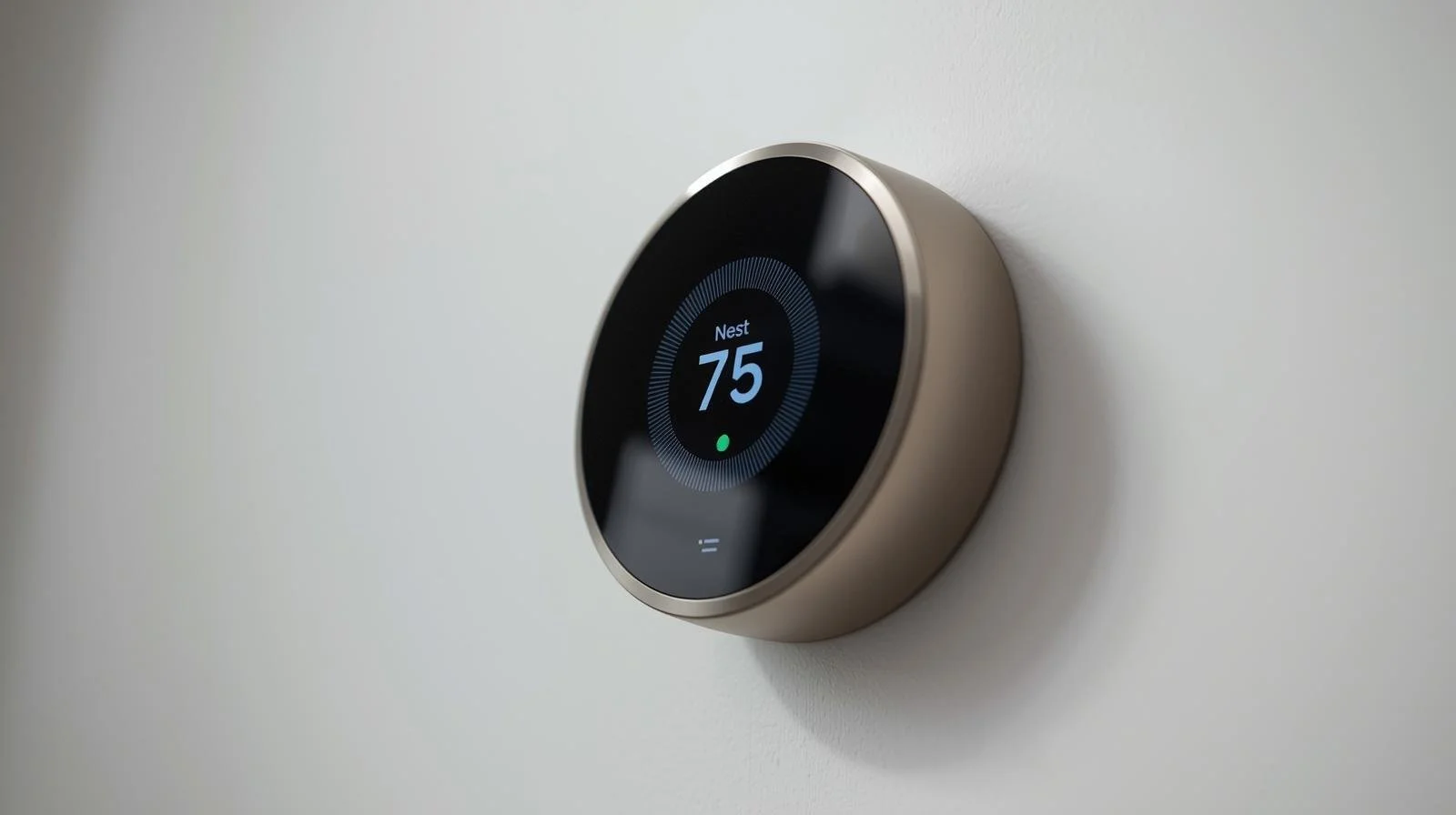
Among the most common upgrades homeowners contemplate is the smart thermostat. The packaging promises seamless smartphone control, automated energy savings of ten to fifteen percent, and artificial intelligence that adapts to your daily routine. For a contemporary suburban house built in 2015 with standardized ductwork and modern low-voltage wiring, installing one of these devices takes twenty minutes.
In a Craftsman bungalow from 1925, a post-war brick ranch from 1952, or a Victorian brownstone, the reality is far more nuanced. Aging mechanical systems, missing wires, high-voltage baseboards, and massive cast-iron radiators complicate the equation. Before spending a couple of hundred dollars on hardware, you need to understand whether a smart thermostat will genuinely lower your utility bills or simply trigger an expensive chain reaction of electrical retrofits.
The Infrastructure Gap: Where Modern Tech Meets Vintage Systems
The primary obstacle to installing a smart thermostat in an older home is not software; it is physical wiring. Modern smart thermostats are essentially small, internet-connected computers with backlit color screens, Wi-Fi chips, and continuous background processing. That constant activity requires a continuous flow of twenty-four-volt alternating current.
The Missing C-Wire Problem
Modern HVAC setups provide this dedicated power supply through a fifth conductor known as the C-wire (common wire). However, heating systems installed before the late 1980s rarely needed constant auxiliary power.
Most older homes rely on two-wire or four-wire heating loops designed strictly for mechanical mercury or early digital thermostats. These older units operated like simple switches: when the room got cold, a bimetallic strip tilted, closed a circuit, and signaled the furnace or boiler to fire up. When the target temperature was reached, the circuit opened, and everything shut off.
If you hook up a modern smart thermostat without a dedicated C-wire, the device often tries to “power steal”—sipping tiny amounts of electrical current from the heating or cooling circuit while the system is idle. In older systems, power stealing frequently causes severe operational glitches:
-
Boilers and zone valves may chatter or hum continuously.
-
Relays on older control boards can short out or experience premature wear.
-
The thermostat itself may intermittently lose Wi-Fi connectivity or drain its internal battery, leaving you without heat on freezing nights.
Resolving this typically requires running new thermostat wire through finished plaster walls, installing an external plug-in twenty-four-volt transformer, or wiring a power extender kit directly into your furnace control board. If your furnace is ancient, its transformer may not even produce enough volt-amperes to support an add-a-wire kit, necessitating an upgraded transformer first.
Low Voltage Versus Line Voltage
Another frequent pitfall in older properties, particularly mid-century homes and additions, is electric baseboard heating. Traditional central systems operate on a safe, low-voltage circuit (around twenty-four volts). Electric baseboards, by contrast, run on line voltage—either 120 volts or 240 volts of raw household current.
If you attempt to wire a standard mainstream smart thermostat directly to a line-voltage baseboard heater, you will destroy the unit instantly and create a severe fire hazard. While specialized line-voltage smart thermostats now exist for these setups, your hardware options are significantly more restricted, and the installation process involves handling dangerous high-voltage lines inside electrical gang boxes.
The Heating System Matters: Radiators, Gravity Furnaces, and Forced Air
The physical medium your home uses to distribute warmth plays an enormous role in whether a smart thermostat will actually save you money. Smart thermostats were designed primarily around modern, quick-responding forced-air systems. In an older home, your heat source behaves very differently.
Hydronic and Steam Radiators
Cast iron radiators remain one of the most comfortable ways to heat a home, providing gentle, radiant warmth that does not dry out your sinuses. However, cast iron possesses immense thermal mass.
A cast-iron boiler system takes a long time to heat up and an equally long time to dissipate heat. When an algorithm detects that the room is two degrees below the setpoint, it tells the boiler to run. By the time the air temperature reaches the target and the thermostat cuts power, the radiators are scorching hot. They will continue pumping heat into the room for another forty-five minutes, overshooting your desired temperature by three to five degrees.
Smart thermostats equipped with aggressive learning algorithms often struggle with this lag. They constantly miscalculate the ramp-up time, resulting in temperature swings that leave rooms either too stuffy or distinctly chilly. While certain models feature specific hydronic or steam settings designed to minimize cycling, you will not experience the rapid, fine-tuned adjustments that forced-air owners enjoy.
Gravity Furnaces and Early Central Systems
Some older homes still utilize converted gravity furnaces—often called “octopus furnaces” due to the massive, sprawling ducts radiating from a central unit in the basement. These systems rely on natural convection rather than an electric blower fan to push warm air upward.
Because airflow in a gravity system moves slowly and depends entirely on natural physics, temperature stratification in the home is pronounced. Ceilings become hot while floors remain frigid. A smart thermostat mounted in a central hallway will read the ambient air accurately for that specific spot, but it cannot balance the uneven airflow across different rooms.
The Building Envelope: Why Drafts Confuse Smart Algorithms
A smart thermostat is only as efficient as the house surrounding it. The core marketing claim behind smart thermostats is that they save energy by allowing your home to drift to cooler temperatures while you are away or asleep, rapidly reheating it right before you return.
This strategy works brilliantly in a home with dense fiberglass insulation, modern double-pane low-E windows, and an airtight vapor barrier. In that environment, the furnace runs briefly to reach the target, and the house retains the heat for hours.
Older homes, however, often feature:
-
Uninsulated exterior wall cavities filled only with dead air or settled cellulose.
-
Original single-pane wood sash windows that allow steady air infiltration.
-
Open wall cavities, unsealed attics, and leaky chimney flues that create a powerful stack effect, pulling cold air in through the foundation and venting warm air through the roof.
When an older home loses heat rapidly, aggressive temperature setbacks become counterproductive. If you let a drafty home drop ten degrees while you are at the office on a twenty-degree winter day, your heating plant will have to work continuously at maximum capacity for two to three hours just to recover lost ground. With heat pumps or older high-mass boilers, this recovery process consumes immense amounts of energy, wiping out any savings gained during the setback period.
Furthermore, if the thermostat is located in a hallway subjected to drafts from a front entryway or an uninsulated stairway, it will call for heat constantly, even if the surrounding bedrooms are already warm.
When a Smart Thermostat Delivers Genuine Value in an Older Home
Despite these technical hurdles, a smart thermostat can still be a worthwhile investment for an older residence under the right conditions.
Mitigating Cold Spots with Remote Sensors
The single greatest benefit a smart thermostat offers an older home is not artificial intelligence or voice control; it is the ability to decouple temperature sensing from a single hallway wall.
Older houses almost always suffer from uneven heating. The second floor might be sweltering while the ground-floor living room remains drafty. By pairing a smart thermostat with wireless remote sensors placed in bedrooms or living areas, you can instruct the system to prioritize the rooms you actually occupy. During the night, the system regulates based on the upstairs bedroom sensor rather than an empty, cold corridor downstairs.
Remote Access and Vacation Monitoring
Older plumbing systems are exceptionally vulnerable to freezing during severe winter cold snaps, particularly pipes running along exterior uninsulated walls.
A smart thermostat provides peace of mind through real-time notifications. If your aging furnace suffers an ignition lockout or an oil burner fails while you are away for the weekend, the thermostat immediately alerts your smartphone that the indoor temperature has plummeted below a safe threshold. That early warning can prevent catastrophic pipe bursts that cause tens of thousands of dollars in water damage.
Multi-Stage and Modern Retrofitted Systems
If you have already replaced your historic home’s original heating plant with a modern high-efficiency heat pump, a multi-stage condensing gas furnace, or a mini-split system, a smart thermostat becomes significantly more viable. These newer mechanical systems are built with standard low-voltage control boards, include dedicated common wire terminals, and respond predictably to digital modulation.
The Realistic Financial Equation
To determine whether this upgrade makes financial sense, you must look beyond the initial purchase price of the device.
A quality smart thermostat typically costs between $130 and $250. If your home has a compatible modern wiring harness, your return on investment through energy savings might take two to three years.
However, if your older home requires modifications, your ledger changes dramatically:
-
Hiring an electrician or HVAC technician to pull a new C-wire or wire an auxiliary relay: $150 to $350.
-
Adding specialized line-voltage smart controllers for electric baseboards: $120 to $150 per room.
-
Purchasing extra remote sensors to balance drafty spaces: $40 to $80 per pair.
If your total out-of-pocket cost climbs to $450 or $500 to get a smart thermostat working safely with an old boiler, it could take six to eight years of modest energy savings to break even. In that scenario, the purchase is an investment in comfort and convenience, not an immediate money-saving financial move.
Practical Steps to Evaluate Your Home Before Buying
Before purchasing a unit, take fifteen minutes to complete a hands-on audit of your current system:
-
Remove the existing thermostat cover. Unscrew the faceplate of your current thermostat and look at the wires entering the wall. Count the individual insulated copper leads. If you see only two thin wires (often red and white) connected to terminals labeled R and W, you do not have a C-wire. Look closely into the wall cavity to check if extra unused wires are wrapped around the outer sheath.
-
Inspect your heat source. Check the manufacturer plaque on your basement equipment. Identify whether you have steam, hot water hydronic baseboards, forced air, or electric wall units. Note whether the system is single-stage or multi-stage.
-
Check for local utility rebates. Many electric and natural gas utility providers offer substantial rebates for installing energy-efficient smart thermostats. In many jurisdictions, these rebates drop the retail cost of the hardware by fifty to one hundred percent, offsetting potential installation expenses.
-
Consider a high-quality programmable alternative. If your home lacks a C-wire and you do not care about phone apps or remote monitoring, a standard battery-powered programmable thermostat offers roughly eighty percent of the energy-saving capability of a smart unit without requiring electrical retrofits.
A smart thermostat is not a magical fix for an inefficient, drafty house, nor is it a guaranteed drop-in upgrade for vintage heating systems. If your older home has an aging two-wire setup, heavy radiators, and significant air leaks, address air sealing and basic insulation first.
However, if you want remote monitoring to protect against frozen pipes, plan to use wireless sensors to balance difficult-to-heat rooms, and are prepared to handle the minor wiring work required for continuous power, a smart thermostat can bring a welcome dose of modern precision to a classic home.
Comments are closed.