

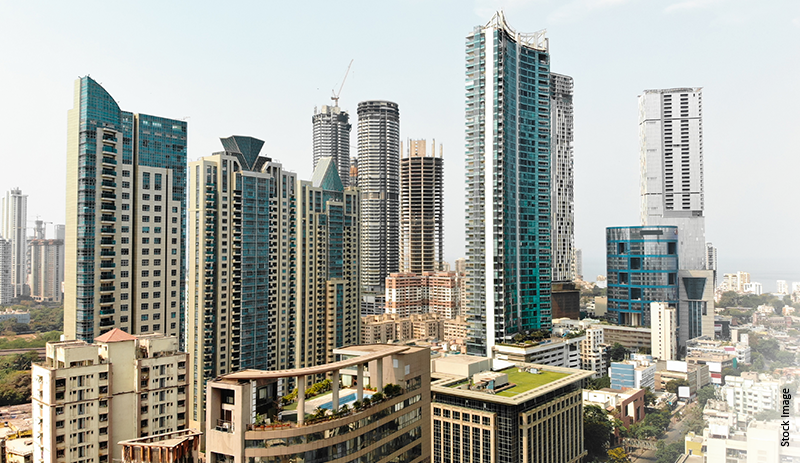
A building is a constructed space intended for shelter, work, recreation, or storage. Its design depends on factors such as purpose, location, budget, materials, and safety standards. Buildings vary widely in scale and complexity, ranging from small homes to large skyscrapers.
Core Functions of a Building
- Protection from weather and environmental hazards
- Space organization for living, working, and social interaction
- Structural safety to support loads and external forces
- Efficiency for comfort, energy use, and long-term performance
- Aesthetic value reflecting culture and identity
Types of Buildings
Residential Buildings
These structures provide living spaces for individuals and families. Examples include single-family homes, apartments, and multi-story residential complexes.
Common features:
- Bedrooms, kitchens, and living areas
- Utility systems such as electrical and plumbing
- Comfort-focused designs
Commercial Buildings
Commercial structures support economic activities and public interaction.
Examples include:
- Office towers
- Retail stores
- Hotels and restaurants
Industrial Buildings
Industrial buildings are designed for production, storage, and distribution.
Key characteristics:
- Large floor areas
- Heavy-duty materials
- Specialized ventilation and safety systems
Institutional Buildings
These buildings serve educational, medical, or governmental purposes.
Examples:
- Schools and universities
- Hospitals
- Public administration buildings
Essential Elements of Building Design
Foundation
A strong foundation distributes the weight of the building and prevents settling or shifting. Types include shallow foundations and deep foundations such as piles.
Structural Framework
The structural frame supports walls, floors, and roofs.
Common structural systems:
- Reinforced concrete
- Steel frames
- Timber framing
Building Envelope
The envelope includes the exterior walls, windows, doors, and roof. It protects the interior from weather and regulates energy efficiency.
Utility Systems
Buildings rely on integrated systems for comfort and functionality.
These include:
- Electrical wiring
- Plumbing networks
- HVAC systems
- Fire safety installations
The Building Construction Process
Planning and Design
Architects and engineers develop a detailed plan considering safety codes, user needs, and environmental factors. This stage defines the project timeline, budget, and structural approach.
Site Preparation
The construction site is cleared, leveled, and prepared for foundation work. Soil testing and land surveying ensure stability and accuracy.
Foundation Work
Concrete foundation structures are built to anchor the building securely.
Structural Construction
The main framework is erected using steel, concrete, or wood. Floors and walls are added progressively.
Installation of Systems
Electrical, plumbing, heating, and ventilation systems are installed before finishing work begins.
Finishing and Inspection
Interior finishes, exterior cladding, and landscaping are completed. Finally, inspections ensure compliance with safety standards before occupancy.
Building Materials and Their Importance
Concrete
Durable and versatile, concrete is used for foundations, floors, and structural elements.
Steel
Steel provides strength, flexibility, and resistance to external forces, especially in tall buildings.
Wood
A renewable material favored for residential structures, offering warmth and ease of construction.
Glass
Used for windows and facades, glass helps maximize natural light and modernize building aesthetics.
Composite Materials
These combine various substances to enhance durability, insulation, or fire resistance.
Modern Innovations in Building
Green Building Practices
Sustainable design focuses on reducing environmental impact through energy efficiency, renewable materials, and improved indoor air quality.
Key strategies:
- Solar panels
- Green roofs
- Rainwater harvesting
- High-performance insulation
Smart Building Technology
Modern buildings use sensors and automation to optimize lighting, climate control, security, and energy consumption.
Prefabrication
Factory-made building components improve precision, reduce waste, and speed up construction timelines.
Buildings and Their Cultural Impact
Buildings shape cities, influence lifestyles, and reflect cultural values. Thoughtful architectural design enhances community well-being, public engagement, and aesthetic richness.
Frequently Asked Questions (FAQ)
1. What factors influence the cost of building construction?
Construction costs depend on materials, labor, location, design complexity, and site conditions.
2. How long does it take to construct a typical building?
Timelines vary, but residential buildings may take months, while large commercial or institutional structures can take years.
3. What is the difference between a building and a structure?
A structure can be any constructed object, while a building is specifically designed for occupancy or functional use.
4. What role do engineers play in building construction?
Engineers ensure structural stability, safety, and system functionality throughout the design and construction process.
5. How do building codes affect construction?
Building codes set safety, health, and structural standards that must be followed for legal compliance.
6. Why is sustainability important in modern buildings?
Sustainable practices lower energy use, reduce environmental harm, and improve long-term building performance.
7. What are the most durable building materials?
Concrete, steel, and stone are among the most durable materials used in construction.
If you want, I can prepare additional articles on construction, materials, architecture, or any related topic.
Comments are closed.