

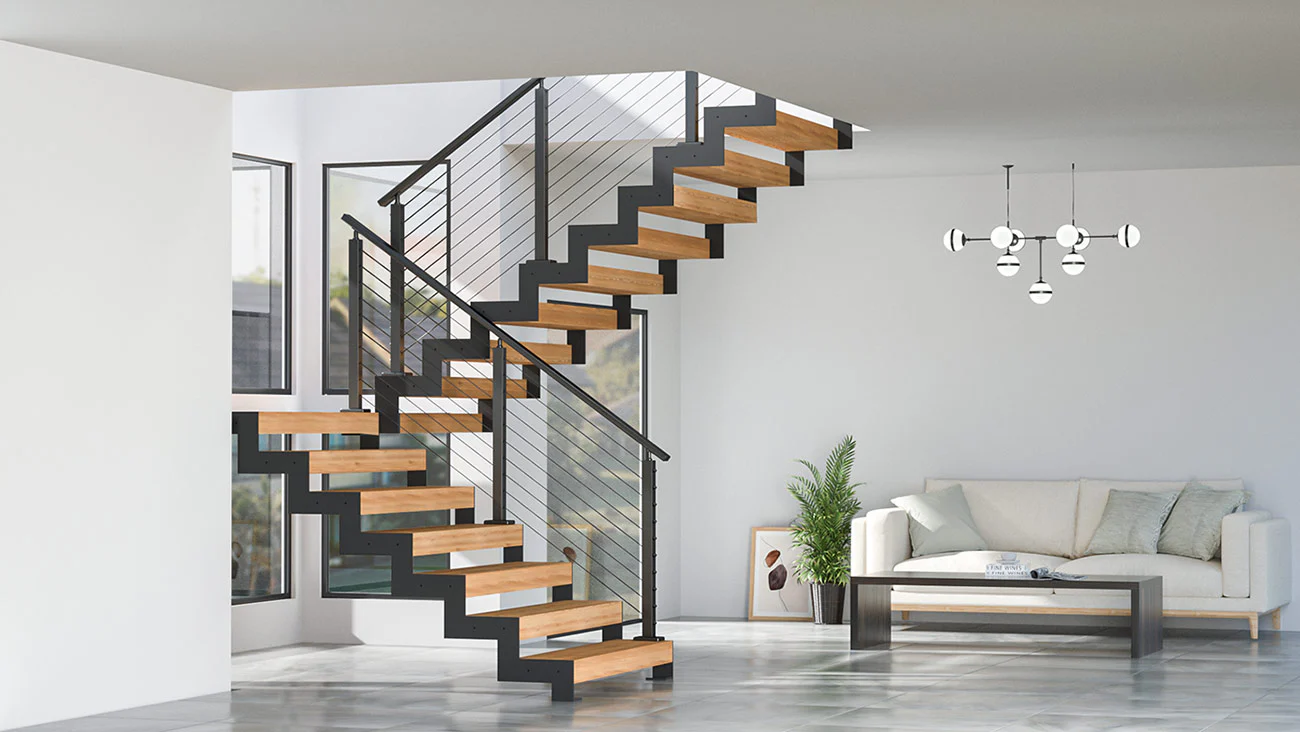
In residential and commercial construction, stair treads play a critical role in both safety and long-term performance. They are the primary walking surface of any staircase, making material selection and installation quality essential for builders, contractors, and designers working on new builds or renovations.
Staircases are one of the most frequently used structural elements in any building. Because of this constant use, stair treads must deliver strength, stability, and consistent wear resistance. A poorly selected tread can lead to premature damage, safety concerns, and increased maintenance costs over time.
What Makes Stair Treads So Important
Stair treads are the horizontal surfaces that support foot traffic between levels. While they may appear simple, they carry significant structural and functional responsibility. Every step taken relies on their durability and finish quality.
In modern construction, stair treads are also a key design feature. They influence the overall visual flow of an interior space and often connect flooring materials between levels. This makes them both a functional and aesthetic component.
Why Material Selection Matters
Choosing the right material for stair treads is essential for long-term performance. Hardwood remains one of the most preferred options due to its strength and ability to withstand heavy daily use.
Engineered and prefinished wood options are also widely used in professional installations because they offer consistent quality and reduce on-site finishing work. This helps contractors maintain project timelines without sacrificing visual results.
Benefits for Contractors and Designers
For contractors, high-quality stair treads reduce installation issues and improve project efficiency. Consistent sizing and finish quality make alignment easier and reduce correction work during installation.
Designers benefit from the wide range of available finishes and wood species. Stair treads can be matched with flooring, railings, and trim to create a cohesive interior design.
This level of consistency is especially important in custom homes, commercial spaces, and multi-unit developments where uniform appearance matters.
Design and Functional Value
Beyond durability, stair treads contribute to interior aesthetics. Natural wood finishes bring warmth and texture to spaces, while stained options allow greater design flexibility.
From a safety perspective, properly finished stair treads help reduce slip risk and improve user confidence when moving between levels. This is especially important in high-traffic environments.
Conclusion
Stair treads are more than just a structural component. They are a foundational element in both safety and design quality for any staircase project.
For contractors, builders, and designers looking for reliable stair solutions, Wood Stair Co provides hardwood stair tread options designed to support long-lasting performance and professional installation results.
Comments are closed.