

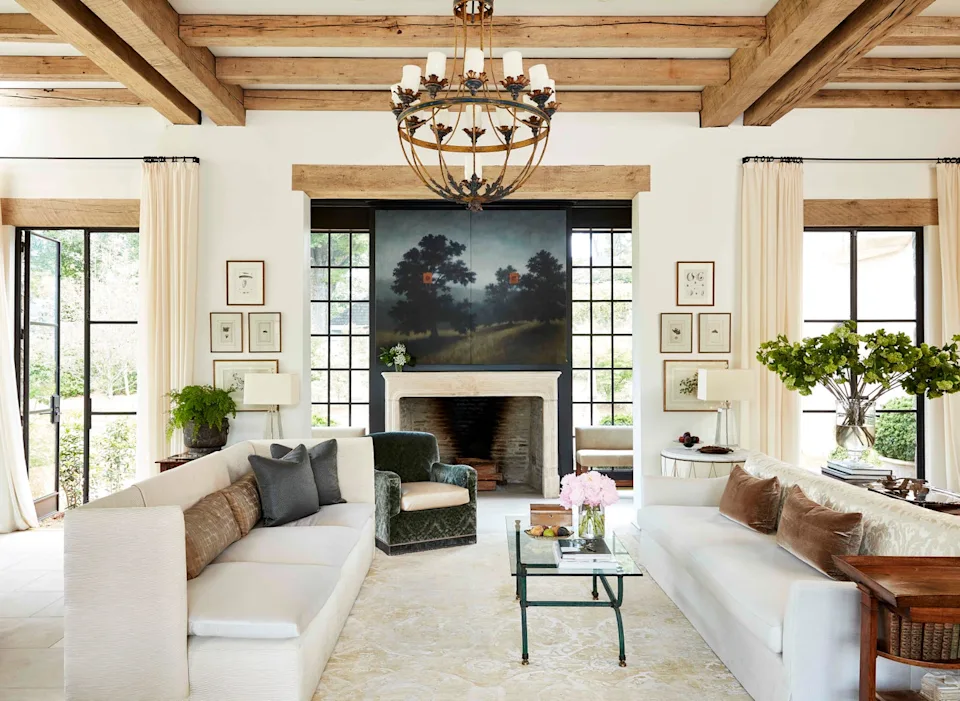
The Art and Purpose of Interior Design
Interior design shapes the way we experience spaces. It blends creativity, functionality, and technical knowledge to transform rooms into comfortable, visually appealing, and purposeful environments. A well-designed space supports your lifestyle, enhances mood, and elevates a home’s overall character.
Core Principles of Interior Design
Balance
Balance ensures a room feels stable and harmonious. Designers achieve this through the even distribution of visual weight.
Types of balance include:
- Symmetrical – Mirror-like arrangements for a formal feel
- Asymmetrical – Uneven yet visually equal elements for a natural, dynamic look
- Radial – Elements arranged around a central focal point
Harmony and Unity
A cohesive design uses complementary colors, textures, and materials to create a smooth flow from one room to another, maintaining a consistent theme.
Contrast
Contrast adds visual interest. It can be achieved through:
- Light vs. dark colors
- Smooth vs. textured surfaces
- Modern vs. traditional elements
Rhythm
Rhythm guides the eye through a space using repetition, pattern, and progression.
Popular Interior Design Styles
Modern Style
Modern interiors emphasize simplicity and clean lines.
Key features:
- Neutral palettes
- Minimal ornamentation
- Smooth surfaces and open layouts
Scandinavian Style
Known for its cozy warmth and simplicity, Scandinavian design focuses on comfort and practicality.
Highlights:
- Light, natural wood
- Soft textiles
- Bright, airy rooms
Industrial Style
Industrial design embraces raw materials and urban aesthetics.
Typical elements:
- Exposed brick and pipes
- Metal accents
- Dark tones and rugged textures
Traditional Style
Traditional interiors draw inspiration from classic European décor.
Common characteristics:
- Rich wood finishes
- Elegant textiles
- Symmetrical arrangements
Bohemian Style
Bohemian (Boho) design celebrates individuality and artistic expression.
Signature touches:
- Layered patterns
- Vibrant colors
- Eclectic décor and handmade items
Key Components of Interior Design
Color Theory
Color influences mood and spatial perception. Warm colors energize, while cool tones create a calm atmosphere.
Lighting
Lighting defines the ambiance and functionality of a room. Effective design combines:
- Ambient lighting
- Task lighting
- Accent lighting
Furniture Selection
Choosing the right furniture balances comfort with style. Proportion, scale, and placement play crucial roles in maintaining good flow.
Textures and Materials
Texture brings depth and richness to a room, whether through fabrics, wood, stone, or decorative accessories.
Space Planning
Good space planning ensures efficient use of every square foot. It accounts for traffic flow, room purpose, and functionality.
Practical Tips for Designing Your Home
Start with a Vision
Define the purpose of each room and gather inspiration to guide your styling choices.
Invest in Quality Basics
Essential items such as sofas, beds, and dining tables should be durable and timeless.
Layer Your Décor
Combine lighting, textiles, wall art, and accessories to create a layered, inviting atmosphere.
Use Storage Smartly
Built-ins, multifunctional furniture, and vertical shelving keep spaces organized and clutter-free.
Personalize Your Space
Photographs, travel souvenirs, and custom artwork help make your home uniquely yours.
FAQs
1. What’s the difference between interior design and interior decorating?
Interior design involves structural planning and functionality, while decorating focuses on aesthetics and accessories.
2. How can I make a small room appear larger?
Use light colors, mirrors, minimal furniture, and vertical storage to create a more spacious feel.
3. Should every room in the home follow the same style?
Not necessarily, but maintaining a cohesive theme helps the home feel unified.
4. What color schemes work best for living rooms?
Neutral bases with layered accent colors create a warm, flexible environment.
5. How important is natural light in interior design?
Natural light enhances mood, improves energy efficiency, and makes rooms feel more open.
6. Can interior design increase my home value?
Yes, updated and well-designed interiors significantly improve resale appeal.
7. How do I choose the right furniture size for my space?
Measure the room, consider walking paths, and ensure furniture fits proportionally.
Comments are closed.