

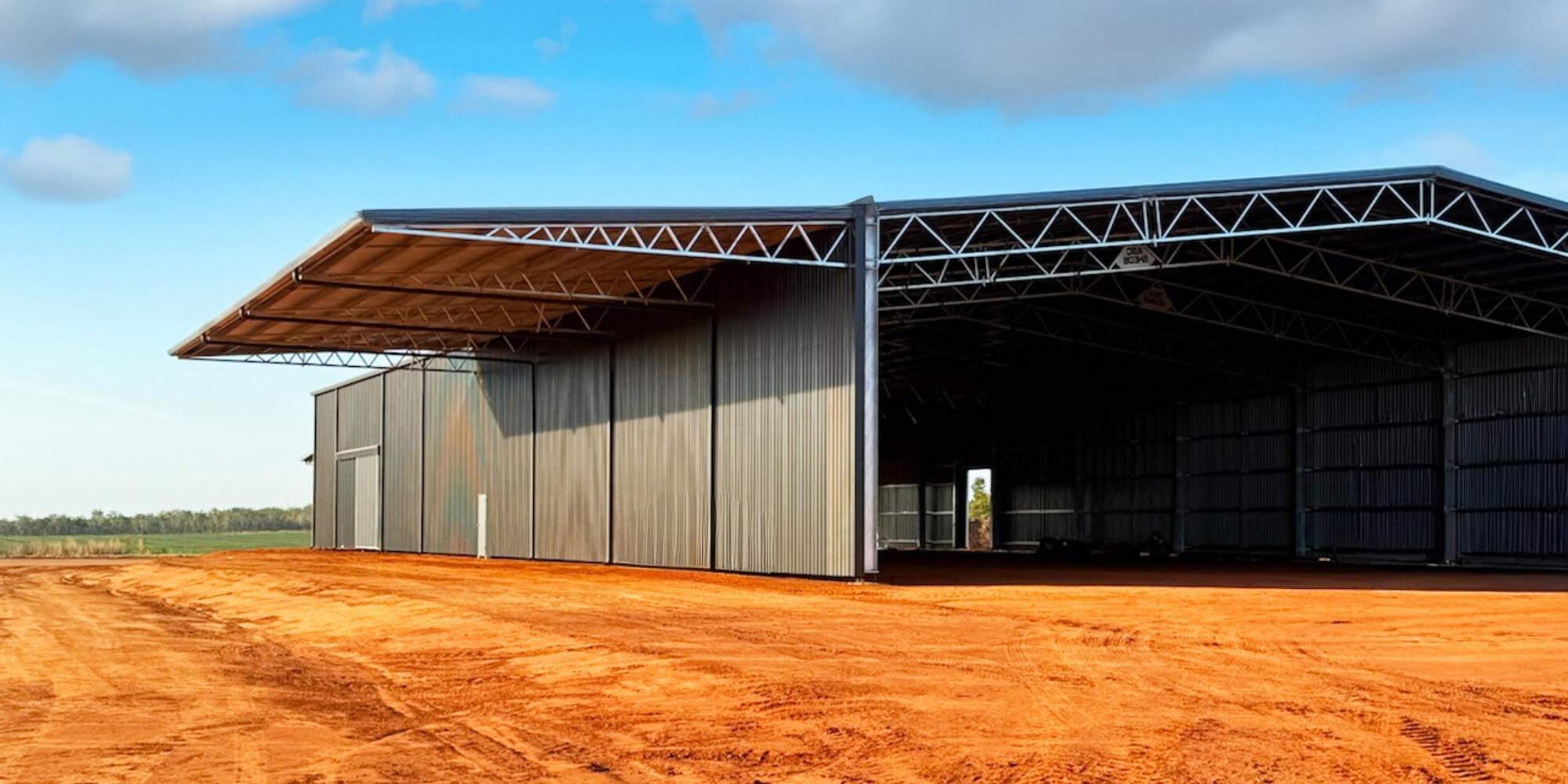
Owning property in the countryside comes with unique responsibilities. Equipment, livestock supplies, feed, vehicles, and tools all require dependable protection from the elements. That is why investing in well-built rural sheds is a practical decision for landowners who value durability and long-term efficiency. A properly planned structure does more than create storage space. It supports daily work, safeguards expensive assets, and adds functional value to your land.
Unlike small backyard storage buildings, rural structures must endure stronger winds, heavier rainfall, intense sun exposure, and ongoing use throughout the year. Designing the right shed requires careful thought about layout, materials, climate, and how your needs may evolve in the future.
Understanding the Role of Rural Sheds on Large Properties
Rural sheds serve as operational hubs on farms, ranches, and acreage properties. Their design often reflects the type of work being done on the land.
Equipment Storage and Protection
Farm and ranch equipment is expensive to repair and replace. Exposure to moisture, direct sunlight, and fluctuating temperatures can significantly shorten its lifespan. A quality shed protects:
-
Tractors and utility vehicles
-
Plows, seeders, and attachments
-
Trailers and hauling equipment
-
Lawn maintenance machinery
By shielding these investments from environmental stress, owners reduce maintenance costs and extend equipment life.
Livestock and Feed Support
Many rural property owners need secure spaces for feed storage or temporary livestock shelter. A properly ventilated shed can prevent feed spoilage and reduce contamination from pests. When animals are housed inside, adequate airflow and drainage become essential for health and cleanliness.
Workspace for Repairs and Projects
Country living often requires hands-on problem solving. A shed that doubles as a workshop provides a controlled environment for:
-
Equipment repairs
-
Woodworking projects
-
Welding and fabrication
-
Seasonal preparation tasks
Having a designated workspace increases productivity and keeps hazardous tools out of household areas.
Planning the Ideal Size and Layout
One of the most important steps in shed construction is determining appropriate dimensions. Underestimating space needs can create long-term frustration.
Planning for Current and Future Needs
Rural properties often expand operations over time. New tools and machinery are common additions. When calculating square footage, consider:
-
Height clearance for large vehicles
-
Turning space inside the building
-
Storage racks or shelving systems
-
Room for future equipment purchases
Choosing a slightly larger footprint now may prevent the need for expansion later.
Open Floor Plans vs. Divided Spaces
Some owners prefer wide open interiors to maneuver vehicles easily. Others benefit from partitioned areas that separate tools, feed, and mechanical work zones.
An open layout works well for:
-
Parking large tractors
-
Flexible storage adjustments
-
Quick access to multiple pieces of equipment
Divided layouts are better suited for:
-
Separating clean and dirty tasks
-
Creating secure tool rooms
-
Housing livestock in designated sections
The layout should reflect daily routines and safety priorities.
Selecting Durable Construction Materials
Material choice directly affects performance and maintenance requirements. Rural climates in the United States can be unpredictable, so strength and longevity are critical.
Steel Structures
Steel is widely used for rural buildings because of its resilience and minimal upkeep.
Key advantages include:
-
Resistance to rot and insect damage
-
Strong wind performance
-
Fire resistance
-
Long service life
Steel frames paired with metal siding provide dependable protection in areas prone to storms or heavy snow.
Traditional Wood Construction
Wood sheds offer visual appeal and customization flexibility.
Benefits include:
-
Ease of modification
-
Natural insulation properties
-
Compatibility with rustic property aesthetics
However, wood requires consistent maintenance such as sealing and repainting to prevent moisture damage.
Roofing Considerations
The roof bears the brunt of weather exposure. Metal roofing panels are commonly chosen for rural structures due to their durability and water shedding capability.
When evaluating roofing materials, consider:
-
Snow load capacity
-
Resistance to hail damage
-
Proper pitch for drainage
-
Longevity under intense sun exposure
A well-installed roof reduces the risk of leaks and structural deterioration.
Foundation Choices That Provide Stability
A shed is only as strong as the foundation beneath it. Ground conditions vary across rural regions, so foundation selection must align with soil type and intended use.
Concrete Slab Foundations
Concrete slabs create a level and highly durable surface.
They are ideal for:
-
Storing heavy equipment
-
Operating machinery indoors
-
Creating workshop environments
A reinforced slab prevents cracking under significant weight loads.
Gravel Pads
Gravel foundations are more affordable and offer natural drainage.
Best suited for:
-
Basic equipment storage
-
Smaller sheds
-
Temporary or movable structures
Proper compaction is essential to prevent settling.
Elevated Pier Systems
Pier foundations raise the shed slightly off the ground.
Benefits include:
-
Improved airflow beneath the structure
-
Reduced moisture intrusion
-
Adaptability on uneven terrain
This option works well in regions prone to flooding or heavy rainfall.
Insulation and Ventilation for Year-Round Use
Temperature swings can affect both stored items and comfort levels inside the shed.
Why Insulation Matters
If you plan to use the shed as a workspace or store sensitive materials, insulation offers significant benefits:
-
Reduced condensation
-
Protection for electronics and power tools
-
Improved temperature consistency
-
Lower heating and cooling costs if utilities are installed
Common insulation types include spray foam, rigid foam boards, and fiberglass batts.
Proper Ventilation Systems
Airflow is equally important. Without ventilation, moisture accumulates and promotes mold growth or rust formation.
Ventilation options include:
-
Ridge vents along the roof peak
-
Wall-mounted intake vents
-
Operable windows
-
Exhaust fans for enclosed workshops
Balancing insulation and ventilation creates a healthier interior environment.
Electrical and Utility Planning
Adding utilities transforms a simple shed into a fully functional workspace.
Electrical Installation
Consider installing:
-
Overhead LED lighting
-
Ample electrical outlets
-
Dedicated circuits for heavy-duty tools
-
Exterior lighting for nighttime access
Consulting a licensed electrician ensures compliance with local codes.
Water Access
In agricultural settings, water access may be necessary for cleaning equipment or tending to livestock. Proper drainage systems should be included to avoid standing water.
Security Features for Rural Settings
Country properties often sit farther from neighbors, making security a priority.
Effective security measures include:
-
Reinforced steel doors
-
Heavy-duty locking mechanisms
-
Motion sensor lighting
-
Surveillance cameras
-
Alarm systems if power is available
Storing high-value equipment in a secure structure reduces the risk of theft.
Customization Options That Increase Efficiency
Modern sheds can be tailored to meet highly specific needs.
Overhead and Sliding Doors
Large doors allow easy access for tractors and trailers. Ensure doors are wide and tall enough to accommodate future equipment upgrades.
Interior Storage Systems
Maximize interior space with:
-
Wall-mounted shelving
-
Pegboards for hand tools
-
Overhead loft storage
-
Heavy-duty workbenches
Keeping items off the floor reduces clutter and improves safety.
Climate Adaptations
In extremely hot or cold states, additional features may include:
-
Radiant barriers to reflect heat
-
Portable heaters for winter use
-
Ceiling fans to improve airflow
Tailoring the structure to your region increases comfort and performance.
Maintenance Strategies for Longevity
Regular upkeep protects your investment and prevents expensive repairs.
Routine Inspections
Inspect the building at least twice per year for:
-
Roof damage
-
Loose fasteners
-
Signs of rust or corrosion
-
Foundation cracks
Early detection allows for quick repairs before issues worsen.
Surface Protection
For wood structures:
-
Reapply protective sealant as needed
-
Replace damaged boards promptly
For metal buildings:
-
Treat rust spots immediately
-
Ensure protective coatings remain intact
Consistent maintenance can extend a shed’s life by decades.
Zoning, Permits, and Local Regulations
Before construction begins, verify local requirements. Regulations vary widely by county and state.
Common considerations include:
-
Maximum allowable size without a permit
-
Setback distances from property lines
-
Electrical inspection requirements
-
Agricultural exemptions if applicable
Failing to secure proper approval can result in fines or required modifications.
Budgeting and Cost Factors
Costs vary based on materials, size, customization, and labor.
Primary cost influences include:
-
Foundation type
-
Framing materials
-
Roofing choice
-
Utility installation
-
Interior finishing
While it may be tempting to reduce expenses upfront, investing in higher-quality materials often lowers long-term repair costs.
Frequently Asked Questions
Can rural sheds be relocated after installation?
Some prefabricated sheds built on skids or portable foundations can be relocated with professional equipment. However, structures built on permanent concrete slabs are not designed to be moved. If relocation flexibility is important, discuss this during the planning stage.
What type of insurance coverage applies to a rural shed?
Coverage depends on your homeowner’s or farm policy. In many cases, detached structures are covered under property insurance, but high-value equipment stored inside may require additional coverage. Always confirm details with your insurance provider.
How do I prevent condensation in metal sheds?
Condensation can be reduced by installing insulation with vapor barriers, ensuring proper ventilation, and maintaining airflow inside the structure. Keeping doors slightly open during dry weather also helps regulate humidity levels.
Is it possible to install solar panels on a rural shed?
Yes, many property owners install solar panels on shed roofs to power lighting and tools. Roof orientation, structural strength, and local solar regulations should be evaluated before installation.
What floor coating works best for workshop sheds?
Epoxy floor coatings are popular for concrete slabs because they resist stains, moisture, and heavy wear. They also make cleaning easier and improve overall durability in workshop environments.
How high should the ceiling be for large farm equipment?
For tractors with cabs or raised attachments, ceiling heights of at least 12 to 14 feet are often recommended. Larger commercial equipment may require even greater clearance to ensure safe movement inside the building.
Comments are closed.