

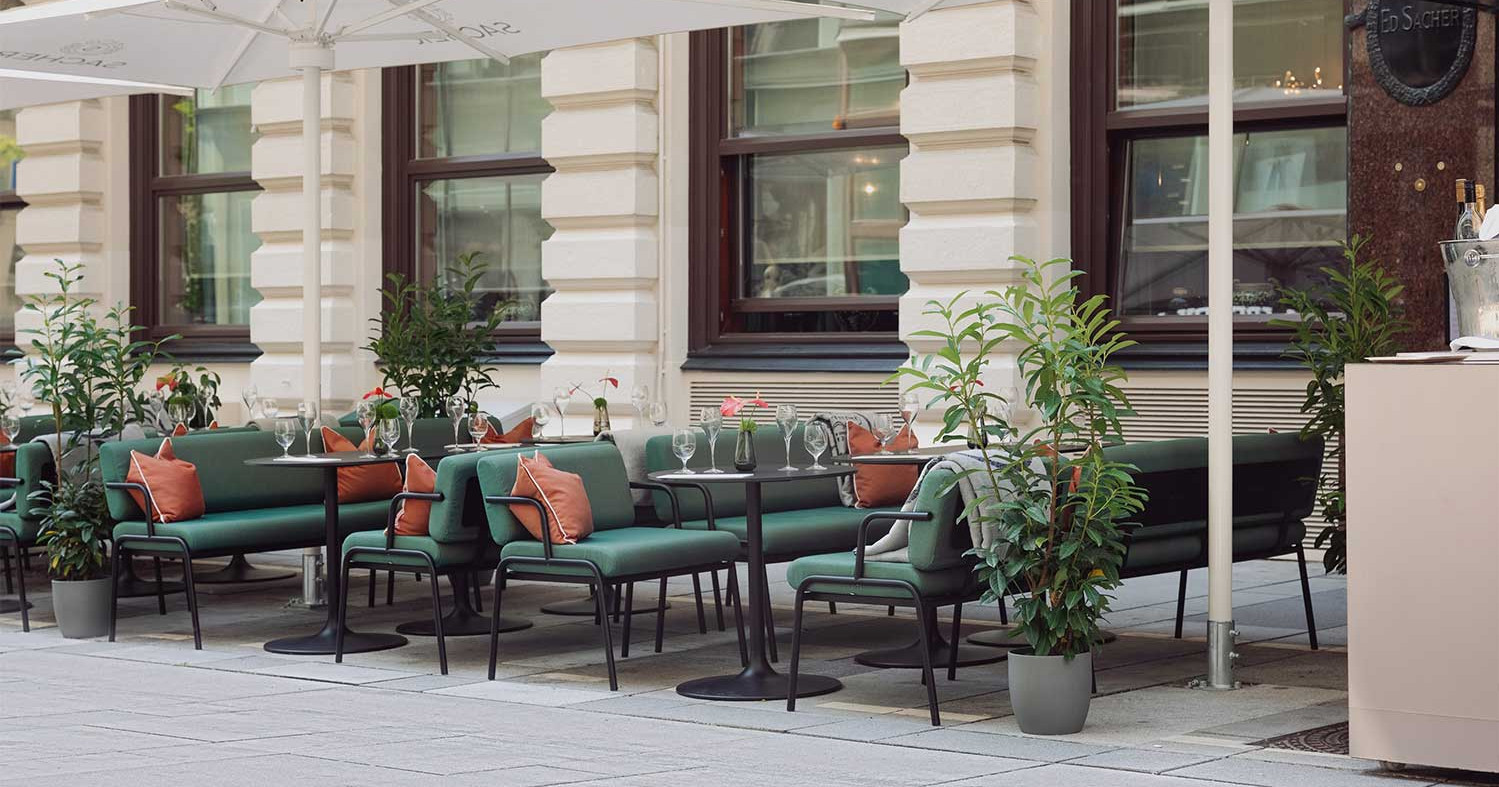
Outdoor spaces have become valuable features for restaurants and hotels. A restaurant patio can offer guests an alternative to indoor dining, while a hotel courtyard or poolside terrace can provide an additional place to relax, socialize, or attend private events. However, these spaces need to serve more than one purpose to deliver lasting value.
A thoughtfully designed patio cover for restaurants and hotels can help hospitality businesses make better use of their outdoor environments. Instead of treating a covered patio as a single-purpose addition, property owners can plan it as a flexible extension of their overall guest experience.
Design Outdoor Areas Around Different Guest Activities
Restaurants and hotels often accommodate different types of visitors throughout the day. A hotel terrace might host breakfast in the morning, informal meetings in the afternoon, and evening drinks after sunset. Similarly, a restaurant patio may transition from casual lunches to dinner service and private celebrations.
The layout should make these changes straightforward. Movable furniture, clearly defined seating zones, and accessible pathways allow staff to rearrange the space without disrupting the rest of the property.
Overhead coverage adds another layer of flexibility. An adjustable louvered roof can provide open-air conditions when desired, filtered shade during bright periods, and overhead rain protection when the louvers are closed. This makes the outdoor area easier to adapt to changing activities and conditions.
Coordinate the Patio with Hospitality Operations
A successful outdoor environment must work for employees as well as guests. Restaurant teams need convenient access to service stations, kitchen entrances, and storage areas. Hotel staff may need to coordinate housekeeping, pool services, event preparation, and guest assistance around the same outdoor zones.
These operational details should influence the patio layout from the beginning.
For example, tables should not obstruct service routes, and frequently used entrances should remain accessible. If the property hosts events, the design should also leave enough room for equipment, temporary seating, and guest movement.
A covered patio can become more useful when its placement supports existing workflows instead of creating additional logistical challenges. Property managers should involve relevant department leaders during the planning process so the finished space meets practical requirements.
Use Adjustable Coverage to Support Different Experiences
Fixed roofing provides consistent overhead coverage, but hospitality environments often benefit from greater control. A breakfast service may be more appealing with natural daylight, while afternoon guests might prefer additional shade. An evening event may call for a different atmosphere altogether.
Motorized louvered systems allow staff to adjust the roof according to the conditions and intended use of the space. Optional weather sensors can also support automatic adjustments when rain or other changing conditions are detected.
Equinox commercial louvered roof systems are designed for businesses such as restaurants, hotels, and event venues. Their adjustable louvers allow operators to manage sunlight, shade, ventilation, and rain protection through a motorized system.
This adaptability can help hospitality teams respond to changing conditions without constantly moving guests between indoor and outdoor areas.
Consider Comfort Beyond the Roof
Overhead coverage is only one part of a successful outdoor setting. Temperature, airflow, lighting, and privacy all influence how comfortable guests feel.
For warmer environments, ceiling fans can help support air circulation. In cooler conditions, compatible heating options may make outdoor seating more inviting. Retractable screens can provide additional shade or separation, depending on the configuration and requirements of the property.
Lighting deserves particular attention in hotels and restaurants that operate after dark. Integrated fixtures can support evening dining, social gatherings, and outdoor events while maintaining a consistent visual style.
Equinox offers optional accessories such as LED lighting, ceiling fans, power screens, and heaters for its commercial systems. Businesses can consider these additions according to their climate, operating hours, and intended use.
Make the Design Reflect the Property’s Identity
Outdoor areas are often among the first spaces guests notice when approaching a restaurant or hotel. Their appearance can influence expectations about the property before visitors even enter the building.
A covered terrace should therefore complement the existing architecture, landscaping, and interior design. A contemporary hotel might favor clean lines and understated finishes, while a restaurant with a more traditional identity may prefer warmer colors and decorative structural details.
Material and finish choices should also account for the surrounding environment. Coastal properties, urban rooftops, landscaped courtyards, and poolside settings each present different visual and practical considerations.
Customizable commercial louvered roof configurations make it possible to plan the structure around the property’s dimensions and architectural character rather than forcing the space to fit a standard design.
Plan for Maintenance and Long-Term Operations
Hospitality properties experience regular foot traffic, furniture movement, food and beverage service, and frequent cleaning. Outdoor structures should be selected with these demands in mind.
Before installation, managers should review structural requirements, drainage arrangements, access for inspections, and the responsibilities associated with routine maintenance. Rainwater should be directed away from entrances, seating areas, and pedestrian routes to reduce inconvenience during wet conditions.
Professional installation and clear maintenance guidance are also important. Working with an experienced dealer or contractor helps ensure that the design accounts for the building, site conditions, and intended commercial application.
Conclusion
A well-planned outdoor area can support more than additional seating. It can provide a setting for informal meetings, seasonal dining, celebrations, relaxation, and other guest activities.
For restaurants and hotels, the goal is to create an environment that remains practical for staff while offering guests a comfortable and appealing experience. A thoughtfully selected patio cover can contribute to that goal by making outdoor spaces more adaptable to different activities and weather conditions.
With careful attention to layout, operations, architectural style, and comfort features, hospitality businesses can transform underused exterior areas into functional extensions of their properties.