
Water damage can start with something that seems minor, such as a dripping faucet, a slow drain, or a toilet that keeps running. The problem is that these warning signs can be easy to overlook until water reaches cabinets, floors, walls, or other parts of the home. Knowing what to watch for can help you deal with plumbing problems before they cause more expensive damage.
Regular attention to your plumbing can make a real difference, especially when you know which problems are most likely to cause trouble. Having access to plumbing help in Northbrook, IL can also be useful when a plumbing issue goes beyond a simple household fix. The key is to notice changes early and respond before a small leak or blockage turns into a larger water problem.
Check for Leaking Faucets and Pipes
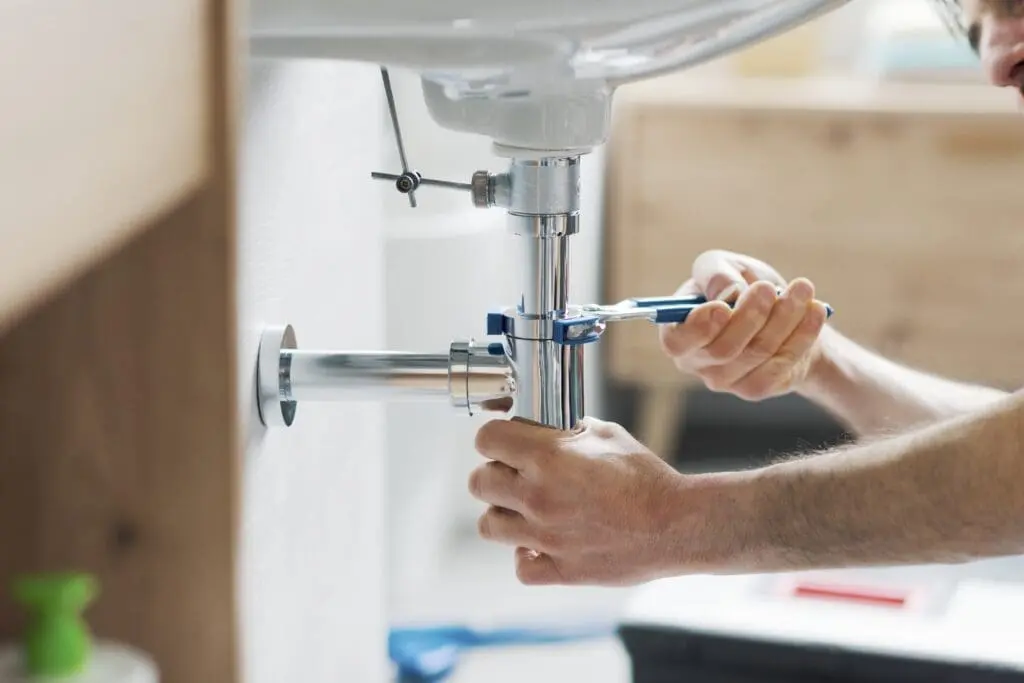
A dripping faucet may not seem like an urgent concern, but it can waste water and may point to a worn washer, seal, or other component. Leaks under sinks can be more difficult to notice because they often happen inside cabinets. Take a few minutes to look around exposed pipes, supply lines, and connections. Check underneath bathroom and kitchen sinks for damp areas, water stains, or a musty smell. Catching a leak early can help prevent moisture from damaging cabinets and flooring.
Pay Attention to Slow Drains
A drain that empties slowly is often an early sign of a developing blockage. Hair, grease, soap residue, food particles, and other debris can gradually restrict the flow of water. Instead of repeatedly relying on quick fixes, pay attention to drains that continue to slow down. If several drains in the home are affected at the same time, the problem may be further along the plumbing system and should be properly assessed.
Protect Your Home From Toilet Leaks
Toilets are another common source of water problems. A toilet that runs constantly can waste a significant amount of water, while a leak around the base can allow moisture to reach the surrounding floor. Check around the toilet for dampness, discoloration, or a loose connection. If you notice water appearing around the base or the toilet continues running after flushing, don’t ignore it. A small amount of water can still cause damage if it repeatedly reaches flooring or subflooring.
Know Which Plumbing Problems Need Attention
Some plumbing issues are obvious, while others develop quietly over time. Knowing the warning signs can help you decide when a closer inspection is needed.
- Unexplained water stains: Brown or discolored marks on ceilings, walls, or cabinets may indicate that water is reaching an area where it shouldn’t.
- Persistent dampness: A wet cabinet floor, damp wall, or consistently moist area can point to a hidden leak.
- Low water pressure: A sudden or noticeable drop in pressure may be related to a plumbing problem rather than normal water use.
- Unusual sounds: Banging, whistling, or dripping sounds when fixtures aren’t being used can be worth investigating.
- Unpleasant odors: A persistent musty smell may indicate moisture collecting somewhere out of sight.
These signs don’t always point to the same cause, but they are useful clues. Addressing them early can make it easier to identify the source of the problem.
Don’t Ignore Water Heater Leaks
Water heaters can create significant water damage when a leak goes unnoticed. Connections, valves, tanks, and other components can develop problems over time.
Look around the water heater for moisture, puddles, rust, or signs of corrosion. If you notice water collecting around the unit, don’t assume it will stop on its own. A leaking water heater can release a large amount of water, depending on the source and severity of the problem.
Keep an Eye on Supply Lines
Flexible supply lines connect fixtures such as toilets and faucets to the home’s water supply. Over time, these lines and their connections can wear out or become damaged. Check them occasionally for cracking, corrosion, bulging, or moisture around the fittings. Replacing a worn supply line before it fails can help reduce the chance of a sudden leak.
Be Careful What Goes Down the Drain
Preventing plumbing problems often starts with what you put into the system. Kitchen sinks can become clogged when grease, oils, coffee grounds, and food waste are washed down the drain. Bathroom drains can collect hair and soap residue. Use drain strainers where appropriate and dispose of grease and food waste properly instead of washing them down the sink. These simple habits can reduce the amount of debris entering your plumbing and help drains continue working properly.
Know Where Your Main Water Shutoff Is
Every homeowner should know where the main water shutoff is located. If a pipe suddenly breaks or a major leak develops, shutting off the water can limit how much water enters the home while the problem is being addressed. Make sure the valve is accessible and that household members know where it is. It’s much easier to respond to a plumbing emergency when you don’t have to search for the shutoff location.
Take Leaks Seriously
A small leak doesn’t always remain small. Water can travel behind walls, underneath flooring, and into cabinets, making the visible damage look less serious than the actual problem. If you notice recurring leaks, unexplained moisture, or signs of water damage, finding the source should be a priority. Cleaning up the visible water without addressing the cause may only provide a temporary solution.
Regular Plumbing Checks Can Help
You don’t need to inspect every pipe in your home every day. A simple check every so often can help you spot changes before they become major problems. Look under sinks, around toilets, near appliances that use water, and around the water heater. Pay attention to changes in water pressure, drainage, unusual sounds, and unexplained moisture. These quick checks can help you notice issues that might otherwise go unnoticed.
Final Thoughts
Preventing water damage starts with paying attention to the small signs your plumbing gives you. Dripping faucets, slow drains, running toilets, damp cabinets, leaking supply lines, and water heater problems can all deserve attention before they lead to more serious damage.
Good plumbing habits also play a role. Avoid putting grease and debris down drains, know where the main water shutoff is, and check exposed plumbing from time to time. When something doesn’t look or feel right, dealing with it early can help protect your home, reduce unnecessary water loss, and prevent a minor plumbing failure from becoming a much larger repair.