

Key Takeaways
Regular maintenance of septic tanks can save homeowners a substantial amount of money by catching potential problems early, thus averting costly repairs and system failures.
Some common warning signs indicating that a septic system requires attention include slow-draining fixtures, unpleasant odors, and waterlogged areas around the drain field. These should not be overlooked.
Homes with well-maintained septic systems typically see an increase in market value, as prospective buyers often prefer properties equipped with updated and operational systems.
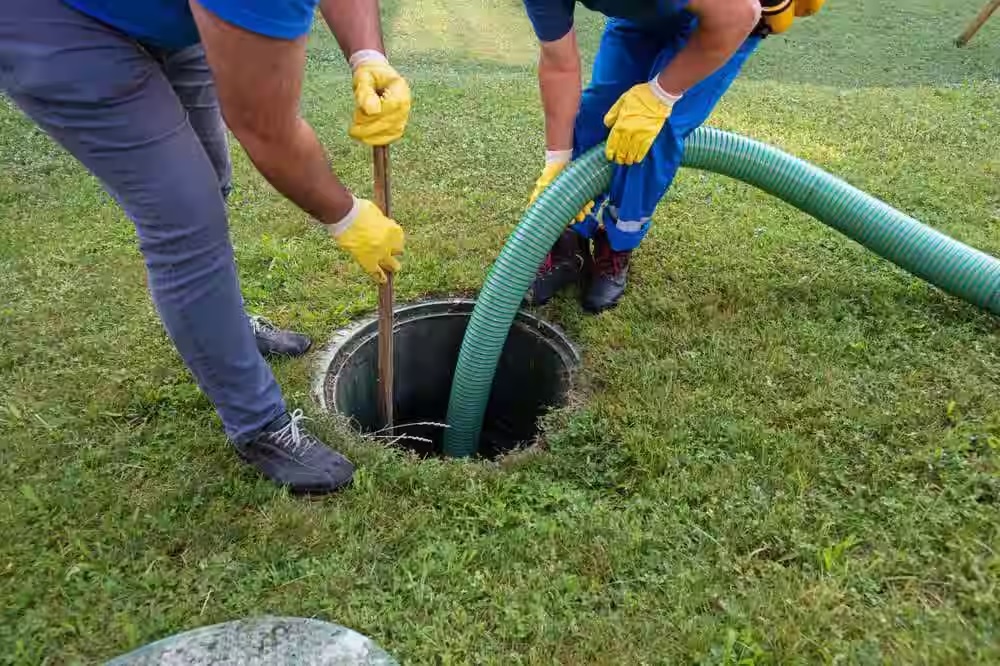
During a septic service appointment, technicians perform an initial inspection, pump the tank, evaluate components, and furnish a detailed report with findings and recommendations.
It’s a misconception among many homeowners that routine septic maintenance is optional. In reality, neglecting this task can cause severe problems, far surpassing the costs of regular inspections.
Additionally, efficient septic systems positively impact the environment by treating sewage on-site, thus preventing groundwater contamination. This makes regular maintenance vital for public health.
By practicing responsible waste disposal and being mindful of seasonal changes, homeowners can extend the life of their septic systems while maintaining operational efficiency.
Essential Benefits of Regular Septic Tank Maintenance
How Preventative Care Saves Money in the Long Run
Experts indicate that regular septic tank maintenance results in significant cost savings over time. If neglected, homeowners may face costly repairs that can be overwhelming. Consider this: a routine check can pinpoint issues before they escalate. It’s easier to fix a small problem than to replace a failing septic system, which can cost thousands.
Data support this assertion: unexpected septic failures often mean extensive digging and disruption of landscaping—plus the cleanup. That’s why investing in septic tank services can prolong the life of the system, ultimately leading to considerable savings.
Moreover, keeping up with maintenance helps stave off nuisances, such as foul odors and backups.
Key Indicators That Your Septic System Needs Attention
Being vigilant about maintaining a healthy septic system is crucial. Homeowners need to be on the lookout for several common signs:
- Slow drains throughout the house
- Unpleasant odors in the yard or home
- Puddles or damp areas near the drain field
Ignoring these signals can lead to significant issues that may become severe if untreated. Awareness can make a noticeable difference, prompting timely action before major problems occur.
Regular checks of the system promote a proactive strategy. Waiting for minor issues to develop into disasters is best avoided.
Boosting Home Value Through Proper Maintenance
A well-maintained septic system can significantly increase a home’s value. Potential buyers often prefer homes with efficient, clean systems. They recognize that purchasing a property with an updated septic system reduces future expenses. It’s a persuasive selling point. Well-maintained systems reflect responsibility and care, providing reassurance that buyers won’t encounter expensive repairs shortly after purchasing.
Statistics show homes with a documented maintenance history tend to attract better offers and sell more quickly. In a competitive real estate market, those looking to boost their home’s marketability should consider prioritizing septic maintenance.
What to Expect During a Professional Septic Service Visit
A Step-by-Step Guide to the Maintenance Process
While scheduling a professional service might seem intimidating, knowing what to expect during each visit can help alleviate concerns. Here’s a straightforward overview of the process:
- Initial inspection: Technicians examine the area surrounding the tank, identifying visible problems.
- Pumping: The tank is pumped to eliminate sludge and scum buildup, ensuring optimal flow.
- Inspection of components: Internal workings, such as baffles and the drain field, are checked for proper functionality.
- Reporting: Following the service, a comprehensive report details findings and recommendations.
This structured approach helps ensure the system operates efficiently. Clients can anticipate transparency throughout the process, with a clear understanding of what was accomplished and its rationale. Good communication builds trust between homeowners and service providers.
Understanding the Equipment Used in Inspections
Top-tier septic services utilize advanced technologies for effective assessments. Equipment such as tank locators, video cameras, and sludge level indicators enables technicians to deliver accurate and thorough evaluations.
These precise tools allow professionals to swiftly diagnose and resolve issues, cutting down on the time needed for repairs. The benefits of these technologies deliver results that many homeowners may have only hoped for before.
The Importance of Detailed Reporting and Recommendations
Upon completion of the service, a detailed report highlights findings and recommendations for future maintenance. It’s not just about current needs; it’s also about anticipating what lies ahead. This knowledge equips homeowners to make informed decisions. Professionals often encourage regular service based on the condition assessed and suggested timelines.
This proactive strategy empowers homeowners to sustain their systems efficiently. Consequently, it fosters a beneficial partnership between the service provider and the homeowner.
Common Myths About Septic Tanks Debunked
Separating Fact from Fiction: Do’s and Don’ts of Septic Care
Several persistent myths can mislead homeowners about septic systems. Distinguishing fact from fiction is vital. For instance, many believe that flushing “flushable” wipes is without consequence. However, these wipes can clog pipes and disrupt proper function.
Here’s a helpful list of do’s and don’ts:
- Do avoid chemical drain cleaners – they can damage the system.
- Don’t overload the system with water, particularly during heavy rains.
- Do routinely check and maintain the system following expert recommendations.
Dispelling these misconceptions can reduce risks and help prevent troublesome situations later on.
Why Some Believe Regular Maintenance is Optional
A number of homeowners mistakenly think that septic systems are designed to last indefinitely. This misunderstanding can result in dire consequences. Regular maintenance is not optional; it’s essential. The costs associated with negligence far outweigh routine inspections and pumping.
Just because it’s out of sight doesn’t mean it should be out of mind. Even minor issues can escalate into major complications. Consistent maintenance alleviates guesswork and promotes a healthier, more efficient home.
Addressing Concerns About Environmental Impact
Concerns regarding the environmental impact of septic systems are valid. Nevertheless, it’s essential to recognize that well-functioning septic systems can indeed be environmentally friendly. They treat sewage on-site, preventing groundwater contamination.
Regular maintenance guarantees these systems operate at peak efficiency, safeguarding both the environment and public health. A basic understanding can mitigate fears and foster a sense of responsibility toward the ecosystem.
Tips for Homeowners: Simple Steps to Enhance Septic Longevity
Daily Habits That Can Keep Your System Running Smoothly
Simple daily practices can significantly affect the health of a septic system. Homeowners are encouraged to adopt various habits for optimal functionality. Here’s how:
- Limit water use to prevent overwhelming the system.
- Dispose of waste responsibly; only flush what is necessary.
- Install water-efficient fixtures to help lighten the water load.
Implementing these straightforward adjustments can greatly enhance system longevity and operation.
How Seasonal Changes Affect Your Septic System
Seasonal shifts can have a considerable impact on septic systems. For example, heavy rains can saturate the drain field, resulting in backups, while frigid weather might freeze pipes and lead to breakage. Homeowners should adequately prepare for these seasonal variations.
Regular service check-ups ahead of major seasonal shifts can identify vulnerabilities in the system. Staying ahead of potential issues is key to preventing unnecessary disruptions.
Best Practices for Waste Disposal in Septic-Tank Households
Proper waste disposal plays a crucial role in maintaining a healthy septic system. By adopting best practices, homeowners can protect the system’s integrity:
- Avoid flushing anything except human waste and toilet paper.
- Never pour chemicals, oils, or grease into the system.
- Use biodegradable products whenever possible to support natural treatment.
These practices contribute to a healthier system and a more environmentally conscious home. Every action counts toward achieving a sustainable septic solution.
“Timely maintenance transforms potential disasters into manageable tasks.”
FAQ
What are the benefits of regular septic inspections beyond cost savings?
Regular septic inspections offer more than just cost savings; they also provide peace of mind. Homeowners gain valuable insights into their system’s performance, helping to prevent unexpected surprises and ensuring a smoother operation.
How often should homeowners schedule septic maintenance services?
Most professionals suggest scheduling septic maintenance every 1 to 3 years, depending on household size and water consumption. Frequent checks help keep systems in top condition and can catch subtle changes that may indicate problems.
What specific types of technology are used during septic inspections?
Inspection technologies such as video cameras and sonar devices enable technicians to visualize the insides of pipes and tanks. These cutting-edge tools are essential for revealing issues that might otherwise go unnoticed, guaranteeing a thorough evaluation.
Can landscaping affect the functionality of a septic system?
Yes, landscaping choices can significantly influence septic systems. For instance, tree roots may invade drainage fields, and certain plants might need higher water levels, increasing the risk of system overload. Thoughtful planning and maintenance of surrounding areas are vital.
What steps can be taken to prepare a septic system for winter?
To ready a septic system for winter, homeowners should consider insulating exposed pipes and ensuring proper drainage around the system’s boundaries. A professional inspection before the cold months can identify problems that could worsen with freezing temperatures.
Are there any eco-friendly alternatives for septic system maintenance?
Indeed, several biodegradable additives are available that support a healthy environment in septic tanks. These products help promote beneficial bacteria growth while assisting with waste breakdown, reducing reliance on harsh chemicals that could damage the system.
What role do local regulations play in septic system maintenance?
Local regulations often establish specific maintenance intervals, inspection protocols, and installation standards for septic systems. Homeowners should stay informed about regional guidelines to ensure compliance and the optimal performance of their systems.
How does household size impact septic system maintenance needs?
Household size directly affects maintenance requirements, as larger households generally produce more wastewater. Consequently, these systems may need more frequent pumping and monitoring to function efficiently and maintain capacity.
Useful Resources
- S. Environmental Protection Agency (EPA)
- Natural Resources Defense Council (NRDC)
- Cooperative Extension System
- NSF International
- South Florida Water Management District
- National Association of Wastewater Technicians (NAWT)
- American Public Works Association (APWA)
- Centers for Disease Control and Prevention (CDC) – Healthy Water
Comments are closed.