

Walk through almost any Florida neighborhood and the palms look like they’ve always been there. Many haven’t. So where are palm trees native to? Palms grow wild across most of the world’s warm places, and the ones in a typical yard came from all over.
Florida does have its own. The sabal palm, which most locals call the cabbage palm, is the state tree. It grows wild near the coast and in shady hammocks. Saw palmetto is native too. It’s the low, scrubby palm people spot in sandy lots and along trails. Both have dealt with Florida heat, salt and storms for a very long time, so they tend to be easy keepers.
Plenty of favorites are imports. Queen palms come from South America. Canary Island date palms come from islands off the northwest coast of Africa. Mexican fan palms, the tall skinny ones, come from Mexico. Coconut palms are harder to pin down, since they drifted and were carried along tropical coasts for ages.
Why should a homeowner care? Because a palm’s home soil shapes what it needs. A palm used to richer ground can go hungry in Florida sand, and that often shows up as yellow or frizzled fronds. Some imports need regular palm fertilizer just to look decent. Others handle a rare cold snap badly.
Anyone picking out a new palm can ask a few simple questions. How does it handle salt spray? Does it do well in sandy soil? Will it need feeding every year? Near the coast, a native is often the low-fuss pick, while some imports bring more upkeep.
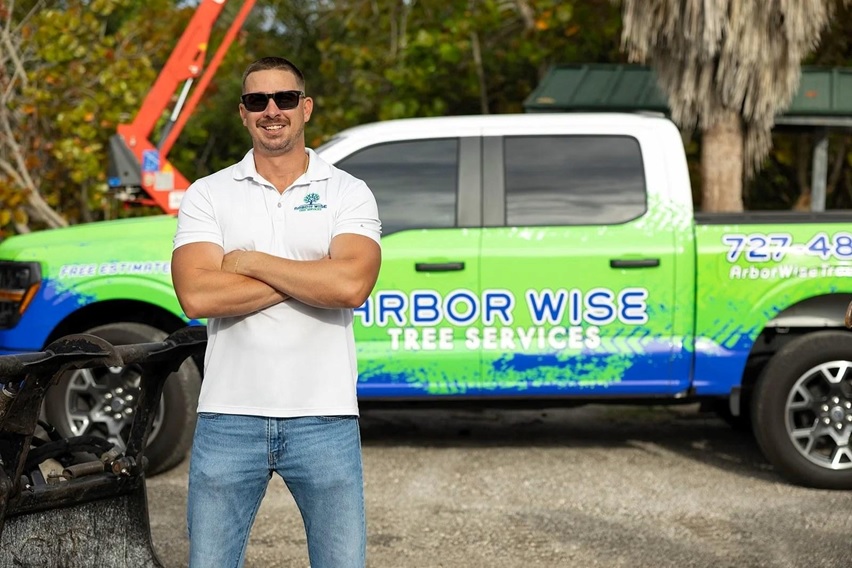
For help with native or imported palms around Pinellas County, homeowners can reach out to Arbor Wise Tree Service for palm care and trimming.