

As the first persistent cold front sweeps across the country, home routines shift overnight. Windows seal shut, storm doors latch into place, and central heating systems roar to life. Within a few days, the physical atmosphere inside changes noticeably. You wake up with a parched throat, reach for hand cream twice before noon, and hear the floorboards creak with a sharp, hollow groan. In other homes, or even in different rooms of the same house, a contrary issue quietly unfolds: frost creeps up the lower corners of window glass, musty odors linger around exterior closets, and condensation pools on north-facing sills.
Most homeowners view winter indoor air as a simple, one-dimensional problem: cold outside means dry inside, which must call for a humidifier. While low humidity is indeed the most common winter grievance, it is far from universal. Modern building methods, regional weather quirks, and daily living patterns create complex indoor microclimates. Managing your home during the coldest months requires knowing when to introduce moisture, when to extract it, and how to maintain the precise balance that protects both your family’s health and the structural integrity of your house.
The Physics of Winter Air: Understanding Relative Humidity
To make sense of indoor climate control, you have to understand relative humidity, or RH. Relative humidity is not an absolute measure of how much water vapor exists in the atmosphere. Instead, it expresses the amount of moisture the air holds as a percentage of the total moisture it could hold at that specific temperature.
Warm air expands and can hold a substantial amount of water vapor. Cold air contracts, and its capacity to carry moisture drops precipitously. When outdoor air sits at 25 degrees Fahrenheit, even if it is completely saturated at 100 percent relative humidity, the actual volume of water it holds is minuscule.
When your furnace draws that freezing air inside and heats it to 70 degrees, the physical volume of water does not change, but the air’s holding capacity skyrockets. The relative humidity instantly plummets. Outdoor air with a comfortable saturation outside can easily register below 20 percent relative humidity once heated indoors. To put that in perspective, the average relative humidity of the Sahara Desert hovers around 25 percent.
For maximum indoor comfort and building health, the optimal winter relative humidity range falls between 30 and 45 percent. If indoor air drops below 30 percent, physical discomfort and mechanical strain begin. If it climbs above 50 percent during severe cold snaps, the moisture collides with cold wall framing and window panes, inviting structural damage and mold growth.
When Your Home Demands a Humidifier
The consequences of persistently dry air accumulate quietly over weeks of continuous heating. Living in an indoor desert affects human biology, furniture, and energy efficiency.
Health and Comfort Indicators
Human respiratory systems rely on a protective layer of mucus to capture and clear viruses, dust, and environmental bacteria. When you breathe arid air for eight hours every night, these mucosal barriers dry out and crack. This leaves you far more vulnerable to seasonal respiratory infections, persistent dry coughs, and sinus headaches.
Beyond the airway, low humidity saps moisture directly from the skin. Cracked cuticles, chapped lips, dry eye irritation, and flaking skin are all classic physical symptoms. Furthermore, static electricity thrives in low-moisture environments. When sliding across a carpet creates a startling spark against every doorknob, your relative humidity is likely well below 25 percent.
Structural and Belonging Stress
Your home’s contents feel the absence of moisture just as acutely as your body does. Wood is a hygroscopic material, meaning it constantly absorbs and releases water vapor to stay in equilibrium with the surrounding atmosphere.
When winter air dries out, timber contracts. Hardwood flooring separates, leaving visible gaps between planks that collect grit and debris. Solid wood dining tables and antique cabinets can develop hairline splits along grain lines. Musical instruments, especially acoustic guitars, pianos, and violins, are notoriously sensitive to dry air; soundboards can crack and neck relief shifts dramatically when humidity drops below acceptable thresholds.
Choosing the Right Humidification System
If your living space shows these hallmarks, adding moisture is essential. Several mechanisms exist to accomplish this:
-
Evaporative Humidifiers: These devices blow air across a moist paper or composite wick filter. They are naturally self-limiting; as the room air becomes more saturated, water evaporates from the wick more slowly, making over-humidification nearly impossible.
-
Ultrasonic Humidifiers: These units use a high-frequency vibrating diaphragm to atomize liquid water into a micro-fine mist. While nearly silent and energy efficient, they propel everything dissolved in the water directly into the air. If you use hard tap water, ultrasonic units will coat dark surfaces and electronics in a fine white mineral dust. Using distilled or demineralized water is mandatory to avoid air quality issues.
-
Whole-House Bypass or Steam Systems: Integrated directly into your central HVAC ductwork, these units supply measured moisture to every supply vent in the house. They offer the most uniform distribution and require minimal daily labor, needing only seasonal filter changes and humidistat adjustments.
The Overlooked Winter Problem: When You Need a Dehumidifier
Because dry air dominates winter heating conversations, many people are surprised to learn that winter dehumidification is a genuine, frequent necessity.
Contemporary homes are built differently than those from fifty years ago. Advanced weatherization, high-performance spray foam, silicone air sealing, and multi-pane windows are designed to stop conditioned air from leaking out. While this dramatically cuts energy bills, it also creates an airtight seal that locks moisture inside.
Indoor Moisture Generation
A standard family of four generates an astonishing volume of water vapor every single day. Routine activities contribute substantial quantities:
-
Daily showering and bathing: 2 to 4 pints per person.
-
Cooking, simmering, and boiling without an exhaust hood: 4 to 6 pints per day.
-
Drying clothes on indoor racks or running poorly vented dryers: 5 pints per load.
-
Human respiration and perspiration: approximately 1 pint per day per occupant.
In an older, draftier home, this moisture escapes easily through structural gaps. In a tightly sealed modern residence, that water vapor has nowhere to go. It circulates through living spaces until it meets a thermal bridge—a cold surface where the indoor temperature drops to the dew point.
The Warning Signs of Winter Over-Saturation
Excess indoor humidity in winter creates specific, distinct symptoms:
-
Window Condensation: Heavy beads of moisture or continuous fogging on the interior surface of double-pane windows indicates that your indoor humidity is too high for the current outdoor temperature. Left unchecked, this water runs down into window framing, causing paint to peel, drywall to soften, and black mold to colonize the sash.
-
Musty Basements and Crawlspaces: Even in winter, ground temperatures stay relatively stable. Basements surrounded by damp earth can hold elevated relative humidity, creating ideal conditions for mildew on stored cardboard, fabric, and structural floor joists.
-
Clammy Indoor Air: When relative humidity exceeds 50 percent in a heated home, the air feels heavy and uncomfortably stuffy, prompting people to lower their thermostats to feel comfortable.
Cold-Temperature Dehumidifier Technology
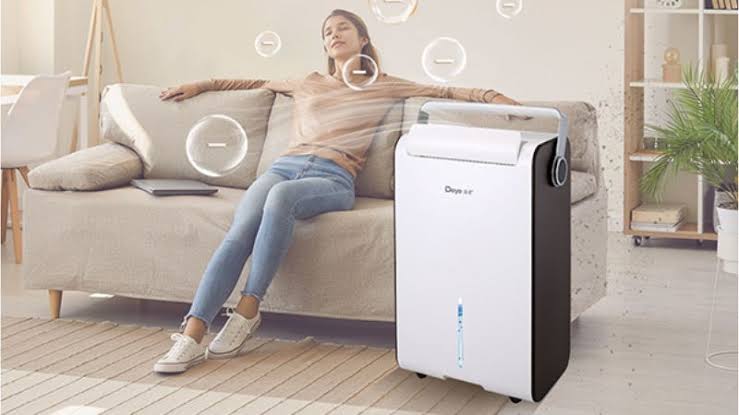
Using a dehumidifier in the winter requires attention to equipment design. Traditional compressor-based dehumidifiers function by pulling air across cold copper coils. If the ambient room temperature drops below 65 degrees Fahrenheit, the moisture condensing on those coils can freeze into a solid block of ice, shutting down the compressor or damaging the unit.
For unheated basements, crawlspaces, or cold garages, desiccant dehumidifiers are vastly superior. Instead of freezing coils, they use an internal rotating wheel coated in moisture-absorbing materials (such as silica gel) and an internal heating element to regenerate the material. Desiccant units operate reliably down to near-freezing temperatures, making them the premier choice for challenging winter conditions.
Room-by-Room Management and Zoning
Indoor humidity is rarely uniform throughout an entire home. Because heat rises and distinct living zones experience different moisture inputs, treating a house as a single atmospheric block often fails.
| Condition / Living Space | Primary Symptom | Required Appliance | Recommended Setting |
| Upper-Level Bedrooms | Dry throats, static shocks, nasal congestion | Humidifier (Evaporative or Ultrasonic) | 35% to 40% RH |
| Living Areas with Wood Floors | Gapping floorboards, creaking subfloors | Central or Console Humidifier | 35% to 45% RH |
| Finished or Unfinished Basements | Musty odor, damp masonry walls | Low-Temperature or Desiccant Dehumidifier | 45% to 50% RH |
| Kitchens & Bathrooms | Persistent steam, wet window glass | Dedicated Exhaust Ventilation / Dehumidifier | Clear moisture within 20 minutes |
In a typical two-story layout, the lower level or basement may suffer from excess dampness while the upper-floor bedrooms are uncomfortably dry. Running a dehumidifier in the basement while placing portable evaporative humidifiers in the bedrooms creates balanced microclimates without conflicting equipment operations.
Practical Steps to Master Winter Moisture Control
Achieving balanced indoor air does not require managing a complicated industrial system, but it does require moving past guesswork.
Rely on a Digital Hygrometer
Never trust your personal perception to gauge moisture levels. The human body is exceptionally poor at distinguishing between ambient air temperature and relative humidity. A few inexpensive digital hygrometers placed at eye level throughout the house provide clear, objective data. Keep one in the main living space, one in the primary bedroom, and one in the basement or lowest level.
Adjust Settings to Match Deep Freezes
Your winter relative humidity target must remain flexible. When the outdoor temperature hovers around 40 degrees, maintaining 45 percent humidity inside feels comfortable and causes zero structural issues.
However, when an arctic blast pushes outdoor temperatures below 10 degrees, cold glass surfaces and exterior wall corners become significantly colder. If you maintain 45 percent humidity inside during those conditions, severe window condensation and wall cavity dampness will occur. During deep freezes, dial your humidistat back to 30 or 35 percent to protect your home’s envelope.
Maintain Proper Mechanical Ventilation
Mechanical equipment works best when supported by sensible daily habits:
-
Run kitchen exhaust fans vented to the outside whenever boiling liquids or running dishwashers.
-
Leave bathroom exhaust fans running for a full twenty minutes after a hot shower to vent moisture before it migrates into adjacent bedrooms.
-
Avoid drying wet laundry on interior racks unless your hygrometer indicates the air is severely dry.
-
Check that your dryer vent hose is clean, uncrushed, and exhausting every cubic foot of damp air outside the building envelope.
Practice Rigorous Equipment Hygiene
Both humidifiers and dehumidifiers handle large volumes of standing water, making them prone to biological contamination if neglected.
Humidifier reservoirs should be emptied, rinsed, and dried daily, with a weekly vinegar soak to break down mineral scale and a mild disinfectant cycle to prevent bacterial growth. Running an uncleaned humidifier effectively turns it into a broadcast system for aerosolized spores.
Dehumidifiers require regular basin sanitization and routine intake filter washings. Dust-caked filters choke airflow, forcing the compressor to work harder, driving up electrical consumption, and drastically shortening the appliance’s operating life.
A well-balanced home feels warm at lower thermostat settings, supports clear and easy breathing through the night, and preserves structural woodwork for generations. By matching the right tool to your actual indoor conditions, you can transform your home into a consistently comfortable refuge from the winter cold.
Comments are closed.