

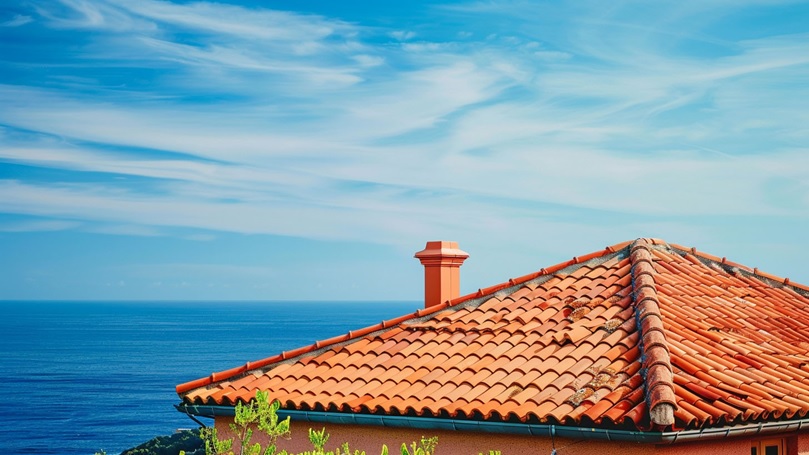
Living in St. Petersburg comes with plenty of advantages, from beautiful waterfront views and warm weather to easy access to destinations like the waterfront downtown district, Pass-a-Grille, and the scenic shores along Tampa Bay. However, the same coastal environment that makes the area attractive can also create unique challenges for residential and commercial roofing systems. Understanding how coastal air impacts roofing maintenance needs can help property owners protect their investments and avoid costly repairs.
The Hidden Effects of Salt Air on Roofing Materials
One of the biggest environmental factors affecting roofs in St. Petersburg is salt-laden air. Even properties located several miles inland can experience the effects of airborne salt carried by coastal winds.
Salt particles settle on roofing surfaces and can accelerate the deterioration of many materials. Metal roofing components, flashing, fasteners, gutters, and ventilation systems are particularly vulnerable to corrosion when exposed to salt over long periods.
Why Regular Cleaning and Inspections Matter
Without routine maintenance, salt buildup can gradually weaken roofing components and shorten the lifespan of the entire system. Regular roof inspections allow professionals to identify early signs of corrosion, loose flashing, rusted fasteners, and other issues before they lead to leaks or structural damage.
Property owners near the waterfront, marinas, or open coastal areas often benefit from more frequent inspections due to increased salt exposure.
Coastal Humidity Creates Additional Roofing Challenges
St. Petersburg’s subtropical climate brings high humidity levels throughout much of the year. While humidity may seem harmless, it can create several roofing concerns when combined with heat and moisture.
Excess moisture can become trapped beneath roofing materials, leading to mold growth, mildew, and wood rot. Humid conditions can also affect attic ventilation, creating an environment where condensation develops and damages underlying roof structures.
Proper Ventilation Helps Protect Your Roof
A well-designed roofing system includes adequate ventilation to regulate temperature and moisture levels. Proper airflow helps reduce condensation, improves energy efficiency, and minimizes the risk of moisture-related damage.
Many roofing problems discovered during inspections stem from ventilation issues rather than visible exterior damage. Addressing these concerns early can prevent more expensive repairs later.
Severe Coastal Weather Accelerates Roof Wear
Beyond salt air and humidity, St. Petersburg homeowners regularly face intense sun exposure, heavy rainfall, tropical storms, and hurricane threats. These weather conditions can place significant stress on roofing materials year after year.
Ultraviolet rays from Florida’s strong sunshine can cause shingles to become brittle and lose protective granules. Meanwhile, frequent rainstorms can exploit even the smallest roofing weaknesses, allowing water intrusion that may go unnoticed until substantial damage occurs.
Storm Season Demands Proactive Maintenance
During hurricane season, roofs serve as the first line of defense against wind-driven rain and flying debris. Even minor damage sustained during a storm can worsen quickly if left unaddressed.
After severe weather events, property owners should consider scheduling a professional roof inspection to check for missing shingles, damaged flashing, punctures, and hidden moisture intrusion. Early detection often prevents larger repair costs and helps maintain the structural integrity of the property.
Why Local Roofing Expertise Matters in St. Petersburg
Not all roofing challenges are the same across different regions. A roof in a dry inland climate experiences very different conditions than one exposed to coastal air along Florida’s Gulf Coast.
Roofing professionals familiar with St. Petersburg understand the effects of salt exposure, tropical weather patterns, humidity, and seasonal storms. They can recommend roofing materials, maintenance schedules, and inspection practices that are specifically suited to the local environment.
Local expertise is particularly important for properties near waterfront neighborhoods, beach communities, and areas exposed to stronger coastal winds. A roofing system designed with local conditions in mind is often better equipped to withstand the area’s unique environmental demands.
Choosing Preventative Maintenance Over Reactive Repairs
Many roofing issues caused by coastal conditions develop gradually. What starts as minor corrosion, moisture buildup, or weather-related wear can eventually lead to leaks, structural damage, or premature roof replacement.
Routine inspections and preventative maintenance help property owners identify small problems before they become major expenses. This proactive approach not only extends roof lifespan but also helps preserve property value and reduce long-term maintenance costs.
Conclusion
Coastal living in St. Petersburg offers countless benefits, but it also places additional demands on roofing systems. Salt air, humidity, intense sunlight, heavy rain, and seasonal storms all contribute to accelerated roof wear and increased maintenance needs.
By understanding these environmental factors and investing in regular inspections, homeowners and business owners can better protect their properties from costly damage. After severe weather events or hurricane season, scheduling a professional roof inspection is one of the most effective ways to identify hidden issues and ensure your roofing system remains ready for whatever Florida’s coastal climate brings next.
This post was written by Ted Williams! Ted is the owner of A Old Time Roofing which is the premier Pinellas County Commercial Roofing company! Ted is a Master Elite Weather Stopper GAF Roofing Contractor, a double award winner of Best Steep-Slope Contractor from GAF and achiever of Master Elite Consumer Protection Excellence from GAF. He has been serving the Pinellas County area since 1978. Old Time Roofing has a tradition of quality workmanship, servicing residential and commercial properties.
Comments are closed.