
How Zoning Cuts Energy Bills in Mandurah Homes, A Real World Guide to Ducted Air Conditioning Done Right

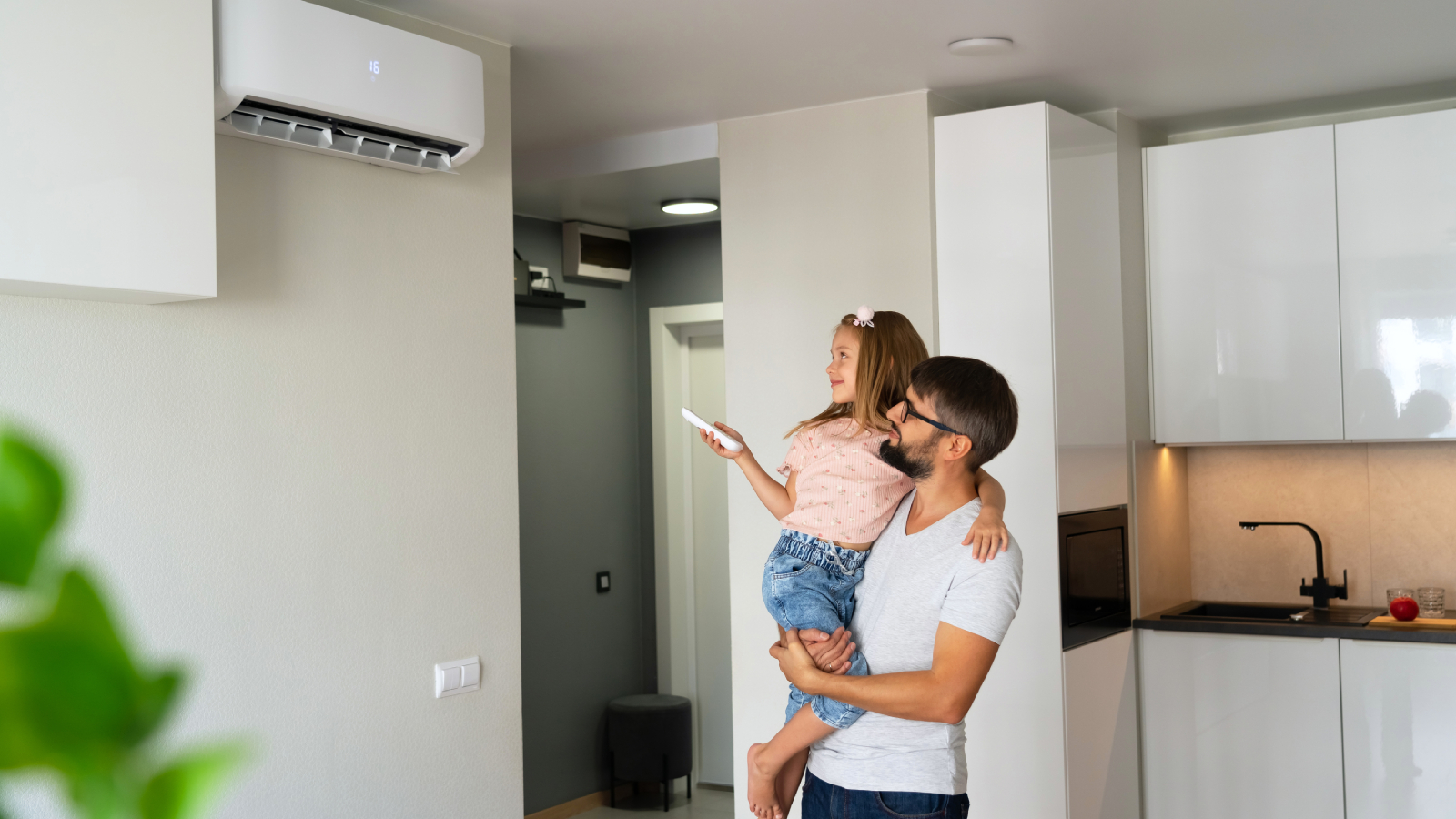
You can buy a great ducted system and still feel like it costs too much to run. In Mandurah homes, that often happens for one simple reason, people cool the whole house when they only need a few rooms. Zoning fixes that. It lets you cool the spaces you are actually using, at the times you are using them, without sacrificing comfort.
If you are exploring Air conditioning mandurah solutions for a family home, zoning is one of the most practical upgrades you can make, because it changes day to day running costs, not just the install spec on paper.
This is not a sales pitch or a technical manual. It is a “how it plays out at home” guide, with examples you can copy, mistakes to avoid, and the questions you should ask before you lock anything in.
Picture a Normal Mandurah Day, This Is Why Zoning Matters
Most households do not live in every room at once.
Morning
Kitchen, dining, maybe a hallway and one bathroom get the most foot traffic. Bedrooms are usually empty.
Afternoon
The house warms up, especially rooms that face late sun. Someone might be working from home in a study. Kids might be in and out of bedrooms. Living areas start to matter more.
Evening
Living zone becomes the priority, then bedrooms.
If your ducted system cools the whole house all day, you pay to condition rooms that are basically storage for that part of the day. Zoning is the simple shift from “cool everything” to “cool what matters now.”
What Zoning Actually Is, Without the Jargon
Zoning is a way to divide your ducted system into separate areas, so you can turn airflow on or off to groups of rooms.
The simple definition
A zone is a cluster of rooms that you can control together, like “Living,” “Bedrooms,” or “Upstairs.”
What changes when you zone
- You can run fewer vents at a time, so you do not waste cooling on empty rooms
- You can run different zones at different times, matching your routine
- You can keep comfort where people are, instead of trying to “average out” the whole home
Zoning is not about making one room 18°C and another 27°C at the same time. Most ducted setups are still “one system, one supply temperature,” but the airflow is directed to the right places. That alone is where a lot of savings and comfort come from.
How a Zoned Ducted System Works, The Parts You Should Know
You do not need to be an expert, but knowing the basics helps you avoid bad advice.
Zone dampers
Inside the ducts are motorised dampers. When a zone is “on,” dampers open and allow air to flow. When a zone is “off,” dampers close.
Controller or thermostat logic
The controller lets you choose which zones run, set schedules, and adjust temperature targets.
Duct design and return air
A zoned system still needs the right duct sizing and return air planning. If those are wrong, zoning can feel noisy, uneven, or less efficient.
A good installer designs the ducting so zones behave properly. A rushed install often treats zoning as a bolt on feature. That is where problems begin.
The Three Reasons Zoning Usually Lowers Running Costs
Savings are not magic. They come from clear, practical effects.
You reduce the conditioned floor area
Cooling 2 or 3 rooms costs less than cooling 7 or 8 rooms, especially during long afternoons.
You shorten the “catch up” time
If you use schedules to pre cool your living zone before peak heat, the system works steadily instead of fighting a heat soaked house.
You avoid overcooling
Without zoning, people often drop the set temperature because one room is not comfortable. That makes other rooms too cold and pushes energy use higher. Zoning reduces the temptation to do that.
Step 1, Build Your Zones Around Behaviour, Not Floor Plans
This is the most important part. A zone plan that looks neat on paper can still be annoying to live with.
Start with these questions
- Which rooms are used between 6am and 10am?
- Which rooms are used between 10am and 4pm?
- Which rooms are used between 4pm and 10pm?
- Which rooms need quiet comfort at night?
- Do you have a home office that needs daytime cooling?
Write down your answers before you talk about equipment. This prevents the classic mistake of zoning by “left side of house” and “right side of house,” which often does not match real life.
A simple zoning rule that works
Create zones that match time of day, not just location.
Step 2, Choose a Zone Layout That Fits Your Home Type
Here are zone layouts that work in real Mandurah homes, with reasons behind them.
3 bedroom, 2 bathroom, single storey, typical open plan
A practical 3 zone setup:
- Zone 1: Living, kitchen, dining
- Zone 2: Bedrooms
- Zone 3: Study or master suite, optional
Why it works:
- Daytime comfort where people live
- Night comfort where people sleep
- Extra flexibility for work from home or a master room that needs different run hours
4 bedroom family home with kids
A practical 4 zone setup:
- Zone 1: Living zone
- Zone 2: Master bedroom area
- Zone 3: Kids bedrooms
- Zone 4: Minor rooms, study, guest, playroom
Why it works:
- Kids can go to bed earlier without forcing the whole “bedrooms zone” to run all night
- Guests can have comfort without cooling the entire sleeping wing
Two storey home
A practical 3 to 5 zone setup:
- Zone 1: Downstairs living
- Zone 2: Upstairs bedrooms
- Zone 3: Upstairs landing or retreat, optional
- Zone 4: Master suite, optional
- Zone 5: Study, optional
Why it works:
- Upstairs often needs attention at night
- Downstairs might be the main daytime zone
- Separating the master suite gives flexibility if different schedules exist
Step 3, Make Zoning Comfortable, Not Just Cheap
Some households switch zones off aggressively and then wonder why the house feels uneven. The goal is comfort first, savings second.
Use “anchor cooling” instead of “all or nothing”
Anchor cooling means you keep one core zone comfortable and let the rest of the house float slightly warmer. That prevents the house from becoming heat soaked.
Example:
- Keep living zone running lightly
- Turn bedrooms on only when needed
- Avoid turning everything off until the house is fully hot, because catching up costs more and feels worse
Keep doors and airflow in mind
Zoning changes pressure and airflow. If you close too many vents and also shut doors tightly, you may notice:
- More air noise at vents
- Doors shifting or “puffing”
- Hot or cold pockets
A good design accounts for this. A good daily habit also helps, keep internal doors in the active zone positions you normally use, and do not block return air paths.
Step 4, Set Up a Simple Schedule You Can Actually Stick To
Schedules are where zoning becomes powerful. The trick is to keep it simple.
A practical weekday schedule
- 6:00am to 8:30am: Living zone on, bedrooms off
- 10:30am to 3:30pm: Study on if someone is home, otherwise off
- 3:30pm to 8:30pm: Living zone on, bedrooms optional
- 8:30pm to 6:00am: Bedrooms on, living zone off or minimal
A practical weekend schedule
- Living zone starts earlier
- Bedrooms may run shorter at night if everyone sleeps in
- Extra zones used only when needed, guests, study, games room
If your controller allows it, use “set and forget” schedules and override manually when life changes. The schedule should support your routine, not fight it.
Step 5, Stop the Two Zoning Habits That Blow Out Power Bills
Even zoned homes can waste energy if these habits creep in.
Habit 1, dropping the temperature because one room is warm
If one room is not comfortable, find the real cause:
- That room may need more airflow
- It may have stronger afternoon sun
- The zone grouping may be wrong
Dropping the whole system temperature to fix one room is like turning your car stereo up because one speaker is faulty.
Habit 2, running a zone that no one is in
This is common with “bedrooms zone” running all day. It happens because it feels easier than thinking about zones. Use a rule:
If the door is closed and no one is inside, the room does not need active cooling.
Getting Zoning Right During Installation, What to Ask
You do not need to tell an installer how to do their job, but you should ask questions that reveal whether the design is thoughtful.
Questions that lead to better results
- How will you decide which rooms are grouped into each zone?
- How many zones do you recommend for my lifestyle, and why?
- How will you manage airflow when only one zone is on?
- Where is the return air located, and does it work when doors are closed?
- Will any rooms need extra supply air because of sun exposure or room size?
- How do you test and commission the system so zones are balanced?
A quick “good sign” checklist
- They ask about your daily routine, not just room count
- They talk about return air and airflow balance
- They explain what happens when fewer zones run
- They mention commissioning, testing, and adjustments after install
Small Improvements That Make Zoning Work Better
These are not expensive and they are practical in Mandurah homes.
Use ceiling fans where you spend time
Fans do not cool air, but they improve how cooling feels. That means you can often keep the set temperature a bit higher while feeling just as comfortable.
Block late sun in problem rooms
If one room bakes in the afternoon, zoning helps, but shading helps more. Consider:
- Blockout curtains in west facing rooms
- External blinds where possible
- Keeping the door closed and vent adjusted, if design supports it
Keep filters clean and vents clear
Zoning relies on predictable airflow. Dirty filters and blocked vents ruin that predictability, and the system can feel uneven.
Common Zoning Mistakes in Real Homes
If you avoid these, you avoid most “zoning disappointment.”
Too many tiny zones
It sounds great to control every room, but it can create airflow and noise issues, and it complicates daily use. Most families do better with fewer zones that match routines.
Zones that mix hot and cool rooms
Putting a sun soaked west room in the same zone as a shaded hallway often causes comfort conflict. The west room needs more cooling, the hallway needs less. Separate zones or airflow balancing are better solutions.
Turning off all zones except one small room
If the system is not designed for very small active zones, it can become noisy or inefficient. A well designed system anticipates minimum airflow needs.
Ignoring return air pathways
If supply air goes into bedrooms but return air cannot get back because doors seal tightly, rooms can feel stuffy or noisy. Return air planning is part of the design, not an afterthought.
How to Tell if Zoning Is Working Properly
You do not need specialised tools to notice early signs.
Signs zoning is working well
- The rooms you use most are comfortable quickly
- You rarely need to change the temperature setting
- Air noise is steady, not sharp or whistling
- Bedrooms feel comfortable without cooling the whole house
- Your routine matches zone schedules without constant overrides
Signs zoning needs adjustment
- One zone feels far weaker than another
- Vent noise becomes loud when fewer zones run
- Some rooms never feel comfortable even when their zone is on
- You keep changing settings to “chase” comfort
When this happens, adjustments are usually possible, vent balancing, damper checks, schedule tweaks, or zoning changes.
FAQ
Can zoning be added to an existing ducted system?
In many cases, yes, but it depends on your current duct layout, control system, and whether there is room to add dampers and zoning controls. A proper assessment should check if the ducts can support separate zones without causing airflow issues when only one zone is active.
Does zoning make the air conditioner louder?
It can, if the design does not account for minimum airflow or if too many vents are closed at once. When fewer zones run, air pressure can increase in the ducts. Good system design, correct duct sizing, and proper commissioning help keep noise under control.
How many zones is “right” for a Mandurah family home?
Many households do well with 3 or 4 zones, such as living, bedrooms, master suite, and study. The best number depends on how your family uses the home. Too few zones limits control, too many zones can complicate use and affect airflow stability.
Why do doors sometimes move or feel pressurised when zoning changes?
When a zone switches on and pushes air into rooms, the air needs a return path. If doors seal tightly and return air pathways are restricted, pressure changes can be felt. Good return air planning, door undercuts, or transfer paths can reduce this effect.
If I turn off most zones, can it damage the system?
A system should not be run outside its airflow limits. If you reduce airflow too much, it can increase strain and sometimes affect performance. This is why minimum active zones and duct design matter. Ask your installer what the minimum recommended zone combination is for your setup.
Can zoning help with humidity comfort?
Zoning does not directly control humidity on its own, but it helps you keep the rooms you are using at a steadier comfort level, which can feel better than switching the entire system on and off. Refrigerated ducted systems generally manage moisture as part of cooling, and stable operation often feels more comfortable than constant stop start cooling.
What if one bedroom is always warmer than the others, even in the same zone?
That room may have higher sun exposure, different insulation, or less airflow. Solutions can include vent balancing, adjusting damper settings, improving shading, or changing how zones are grouped. It is usually fixable without changing the whole system.
Will zoning still work if we keep doors closed at night?
It can, as long as return air pathways are designed properly. If bedrooms are supplied with air but return air cannot circulate back to the return grille, comfort can suffer. This is a design detail worth discussing before installation or during commissioning.
How do smart controls fit into zoning?
Smart controls can make zoning easier by letting you schedule zones, adjust settings remotely, and track usage patterns. The real benefit is not “tech,” it is consistency. When schedules match your routine, zoning delivers steady comfort with less wasted run time.
Comments are closed.